The Critical Link Between Metabolic Health & Liver Health

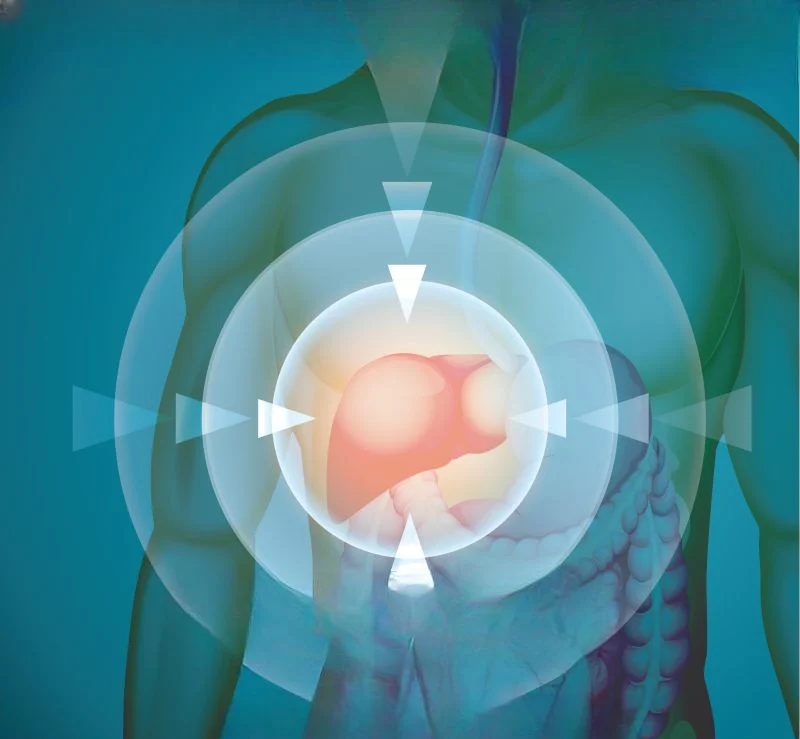
Did you know that metabolic health plays a key role in liver function? With the rise in conditions like obesity, diabetes, and metabolic syndrome, our livers are facing an increasing burden. Poor metabolic health can lead to the development of Metabolic Dysfunction-Associated Steatotic Liver Disease (MASLD), which often goes unnoticed in its early stages.

Early detection is crucial. Liver diseases like MASLD can progress silently for years, potentially leading to more severe conditions such as cirrhosis or liver cancer if left untreated.

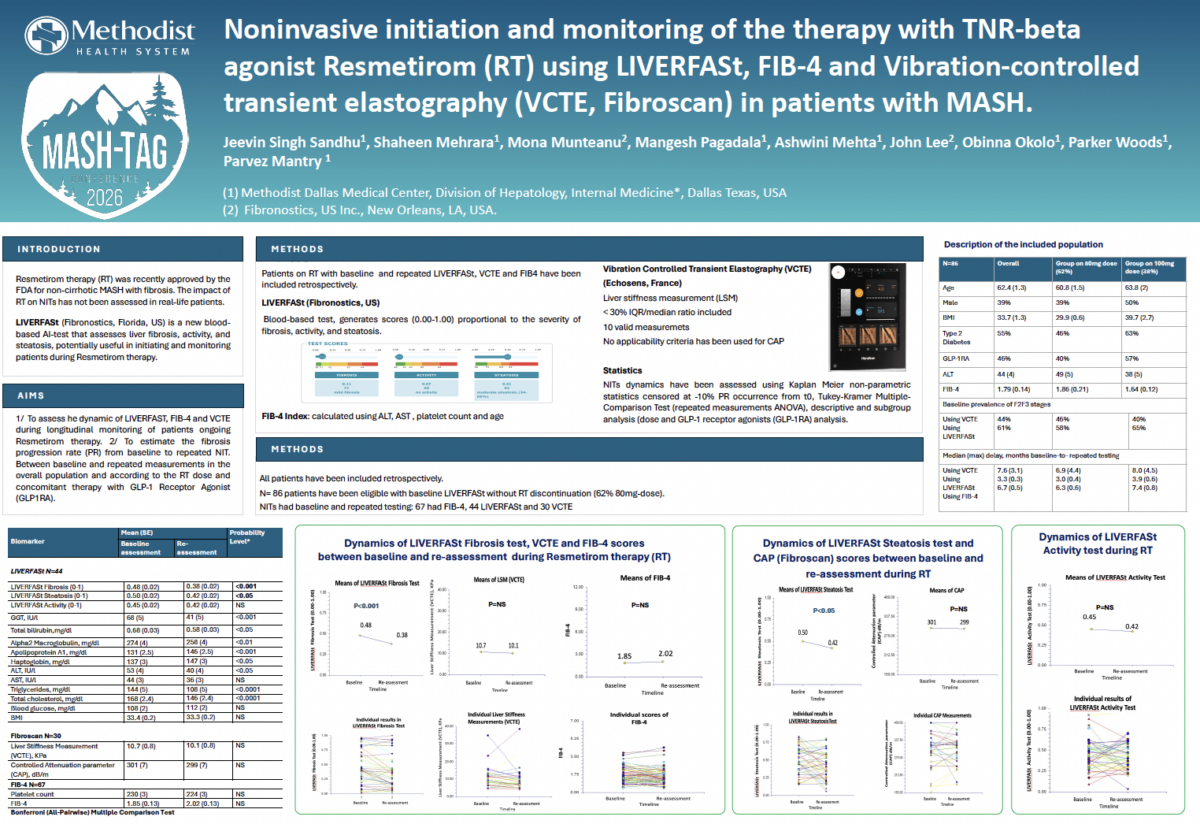
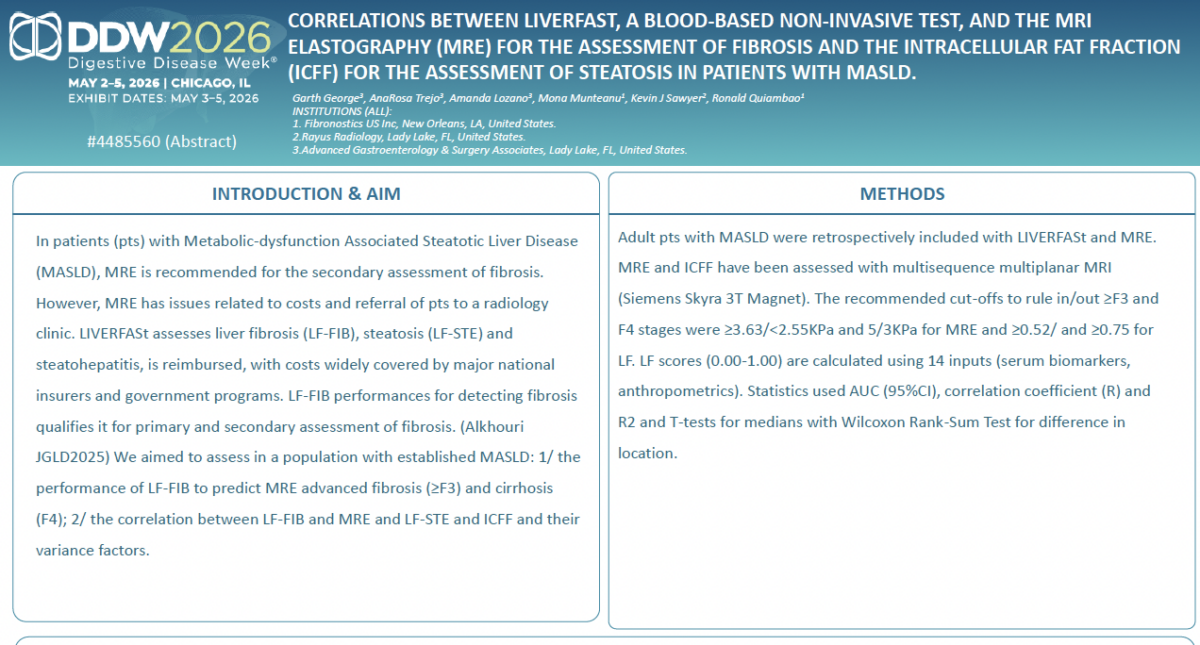
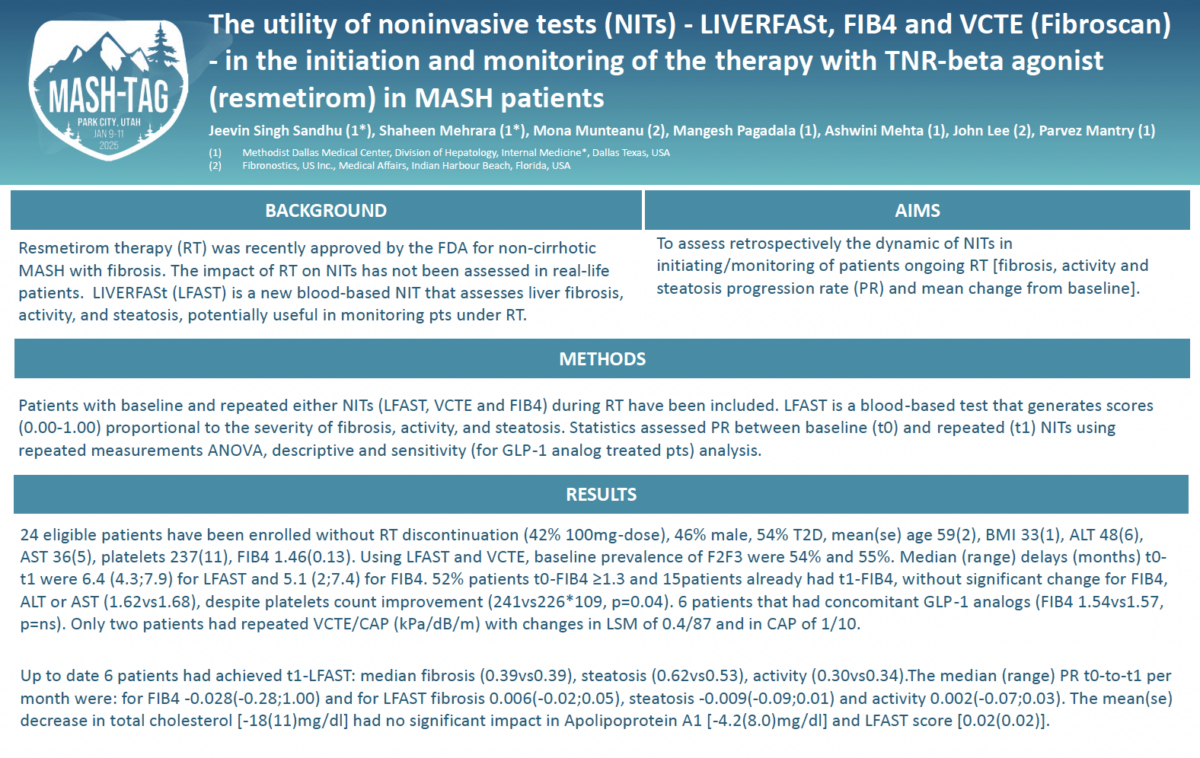
This is where LIVERFASt play an important role. Our non-invasive diagnostic tool is designed to provide accurate assessments of liver health, detecting issues before they become critical. By helping healthcare providers monitor liver function and detect early signs of liver disease, LIVERFASt empowers proactive management and better health outcomes.

Prioritize your metabolic health for the sake of your liver. Early detection saves lives.

How Common are MASLD and MASH

Metabolic dysfunction-associated steatotic liver disease (MASLD) is highly prevalent in the U.S., affecting an estimated 38% of adults. This condition occurs when excess fat builds up in the liver due to factors unrelated to alcohol consumption, such as obesity, diabetes, and other metabolic issues. When MASLD progresses, it can lead to Metabolic dysfunction-associated steatohepatitis (MASH), a more severe form characterized by liver inflammation and damage.

MASH is less common but still affects a significant portion of the population. It is estimated that around 12-25% of individuals with MASLD will eventually develop MASH. The condition can lead to serious complications, including liver fibrosis, cirrhosis, and even liver cancer, if left untreated. The increasing prevalence of obesity and type 2 diabetes in the U.S. has contributed to a rise in both MASLD and MASH cases, highlighting the importance of early detection and intervention.


How Long Does It Take for MASLD to Progress to MASH?

The progression from MASLD to MASH typically occurs over a period of 10 years or more, although this timeline can vary widely. Factors such as age, genetic predisposition, obesity, insulin resistance, and lifestyle choices can accelerate or decelerate the progression. For example, individuals with poorly managed type 2 diabetes or who are severely obese are more likely to experience a faster progression to MASH. Early diagnosis and lifestyle interventions, such as weight loss, increased physical activity, and improved dietary habits, can significantly slow disease progression and even reverse liver damage in some cases.


Importance of Early Diagnosis and Screening

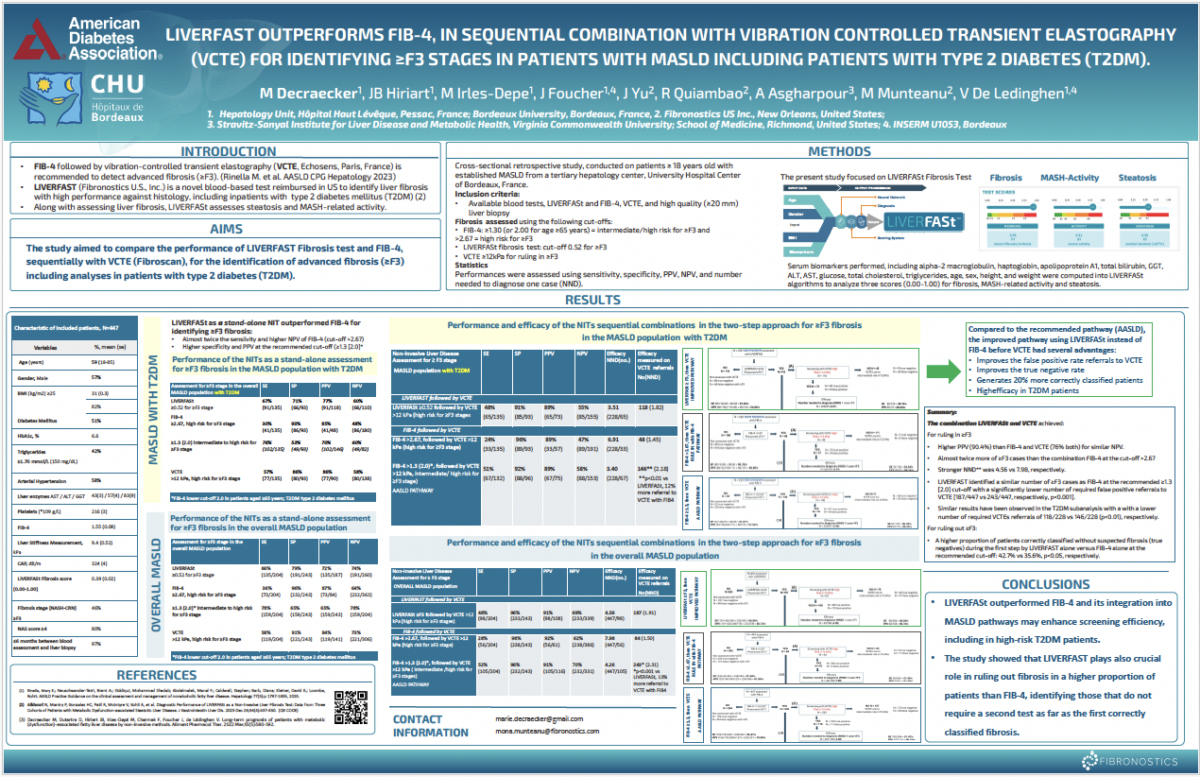
Screening and early diagnosis are critical in managing MASLD and preventing its progression to MASH. Non-invasive diagnostic tools, such as Fibronostics’ LIVERFASt, offer a reliable way to assess liver health without the need for invasive procedures like a liver biopsy. LIVERFASt uses a combination of blood biomarkers to evaluate liver fibrosis, inflammation, and steatosis, helping to identify individuals at risk of MASH. Early detection allows for timely lifestyle changes and medical interventions that can halt or slow the disease’s progression, improving long-term outcomes.

Fibronostics emphasizes the importance of accessible, accurate screening methods like LIVERFASt in combating the rising prevalence of liver diseases. By incorporating routine screening for at-risk populations, such as those with obesity and diabetes, healthcare providers can better manage MASLD and prevent complications associated with MASH.

Why Early Liver Health Monitoring Matters?

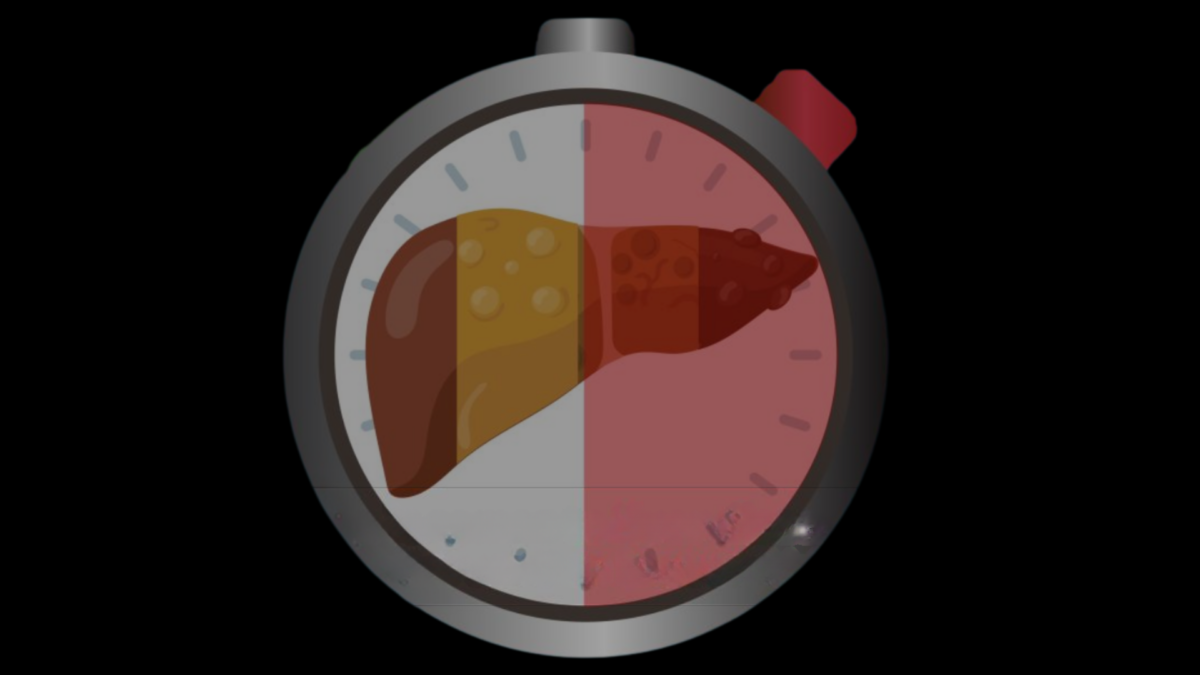
When it comes to liver disease, early intervention isn’t just helpful, it’s critical. Known as the body’s “silent organ,” the liver can endure years of damage before symptoms become visible. By the time fatigue, abdominal pain, or jaundice appear, a patient may already be in advanced stages of fibrosis or cirrhosis, making treatment more difficult, expensive, and often less effective.

Globally, liver diseases like Non-Alcoholic Fatty Liver Disease (NAFLD) and Metabolic Dysfunction-Associated Steatotic Liver Disease (MASLD) are on the rise, affecting nearly one in three adults. These conditions often remain undiagnosed until significant liver damage has already occurred, largely because current diagnostic tools like liver biopsies or elastography are either invasive, expensive, or inaccessible in primary care settings.

­­

Why Early Detection Matters?

Clinical studies show that early-stage liver disease is reversible with lifestyle modifications, medication, and regular monitoring. But once it progresses to cirrhosis, options become limited, and the risk of complications like liver cancer or transplantation rises sharply.

That’s where Fibronostics makes a difference.

Fibronostics tools are empowering primary care providers, specialists, and health systems worldwide to act earlier, faster, and smarter. Let’s move liver care upstream. By catching disease in its silent phase, we not only improve patient outcomes but also save lives.

­

Transforming Liver Care with AI-Powered Diagnostics

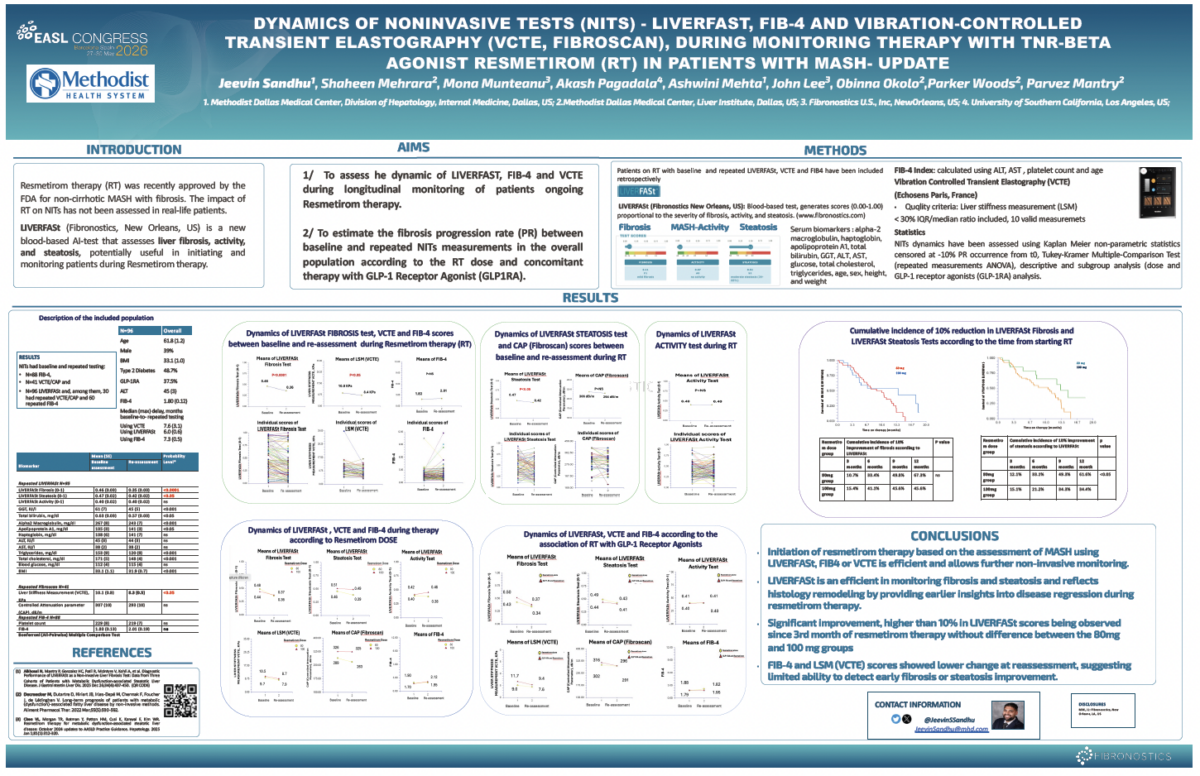
At Fibronostics, we’re transforming how liver disease is detected and managed. Our flagship diagnostic tool, LIVERFASt™, leverages artificial intelligence and a simple blood sample to assess key liver metrics — fibrosis, steatosis, and inflammation — in a non-invasive, scalable, and cost-effective way. Results are generated in minutes, helping clinicians:

  • Detect liver damage before symptoms appear

  • Identify at-risk patients early in the care journey

  • Track disease progression or regression over time

  • Make timely, informed clinical decisions

This approach shifts the paradigm from reactive treatment to proactive prevention, enabling earlier interventions that can slow, halt, or even reverse disease progression.

Understanding the Progression of Liver Disease

Liver disease often progresses silently, with early stages showing minimal or no symptoms. However, the encouraging news is that these early stages are frequently reversible with timely intervention.

Liver disease typically advances through four key stages:

  1. Healthy Liver: Contains less than 5% fat, functioning optimally.

  2. Fatty Liver (Steatosis): Excess fat accumulates in liver cells, often without symptoms. This stage is reversible with lifestyle changes.

  3. Fibrosis: Persistent inflammation leads to scar tissue formation. Early fibrosis can be reversed if the underlying cause is addressed.

  4. Cirrhosis: Extensive scarring impairs liver function, often irreversibly. This stage can lead to severe complications, including liver failure.

Early detection is crucial, as the first three stages offer opportunities for reversal and prevention of progression.

Silent Nature of Liver Disease

Many individuals remain unaware of liver disease until it reaches advanced stages. Early symptoms, if present, are often vague, such as fatigue or mild abdominal discomfort. This lack of noticeable signs underscores the importance of proactive screening, especially for those with risk factors like obesity, diabetes, or high cholesterol.

Importance of Early Detection

Detecting liver disease in its early stages allows for interventions that can halt or even reverse damage. Lifestyle modifications, including a balanced diet, regular exercise, and weight management, have proven effective in improving liver health. In some cases, medical treatments may also be necessary.

LIVERFASt: A Non-Invasive Diagnostic Tool

At Fibronostics, we are dedicated to facilitating early detection of liver disease through innovative solutions. Our LIVERFASt test is a non-invasive, blood-based diagnostic tool that assesses liver health by evaluating key biomarkers. This test provides comprehensive insights into liver function, enabling healthcare professionals to identify issues before they progress. By detecting liver disease early, patients have a greater chance of reversing damage and maintaining optimal liver health.

How Do People Get MASLD and Can it be Treated

Metabolic dysfunction-associated steatotic liver disease (MASLD) is a condition where fat accumulates in the liver, mainly due to issues with metabolism. It was previously known as non-alcoholic fatty liver disease (NAFLD), but the name has changed to emphasize its link to metabolic health rather than alcohol consumption. MASLD is becoming more common because of the increasing rates of obesity, type 2 diabetes, high cholesterol, and high blood pressure. These conditions disrupt how the body processes fats and sugars, leading to fat buildup in the liver.

How Do People Develop MASLD?

People develop MASLD when excess fat accumulates in the liver. This happens due to metabolic conditions that affect the body’s ability to regulate fats and sugars properly. For instance, being overweight or obese increases the amount of fat that circulates in the bloodstream, which can then deposit in the liver. Insulin resistance, a common issue in people with type 2 diabetes, also contributes to fat accumulation. When cells become resistant to insulin, the body struggles to regulate blood sugar and fat levels, leading to more fat storage in the liver.

Other factors like genetics, poor diet, and a sedentary lifestyle can also increase the risk of developing MASLD. Even if someone does not have diabetes or is not obese, they can still get MASLD if they have high cholesterol or high blood pressure, which are also linked to metabolic dysfunction. The condition often develops silently, with no symptoms in its early stages, making it hard to detect without medical tests.

Can MASLD Be Treated?

Yes, MASLD can be treated, especially if caught early. Lifestyle changes are the most effective way to manage the condition. These include losing weight, eating a balanced diet rich in fruits, vegetables, and whole grains, and increasing physical activity. Weight loss can significantly reduce the amount of fat in the liver, improving liver function and slowing disease progression.

In addition to lifestyle changes, some medications may help treat MASLD, particularly for managing associated conditions like diabetes and high cholesterol. These medications can improve insulin sensitivity and lower blood lipid levels, which may reduce fat buildup in the liver. However, there is no specific drug approved solely for treating MASLD at this time.

The Role of Screening and Early Diagnosis

Early diagnosis of MASLD is crucial because it can prevent the condition from progressing to a more severe form known as metabolic dysfunction-associated steatohepatitis (MASH), where liver inflammation and scarring occur. Screening helps identify people at risk before significant liver damage develops. Non-invasive tests, like Fibronostics’ LIVERFASt, can be used to detect MASLD early. LIVERFASt is a blood-based test that measures markers associated with liver health, such as fat accumulation and inflammation. It provides valuable insights into the liver’s condition, helping healthcare providers make informed decisions about treatment.

Screening is particularly important for people with metabolic risk factors like obesity, diabetes, and high cholesterol. Catching MASLD early allows for lifestyle interventions that can reverse the disease or slow its progression. Fibronostics’ LIVERFASt can reduce the need for more invasive diagnostic procedures like liver biopsies, making early detection easier and more accessible.