Take Charge of Your Liver Health

Helping you understand MASLD/MASH, your risk, and your options.

Helping you understand MASLD/MASH, your risk, and your options.

Understanding MASH & MASLD

Metabolic health refers to how well your body manages essential processes that are key to keeping everything in balance.


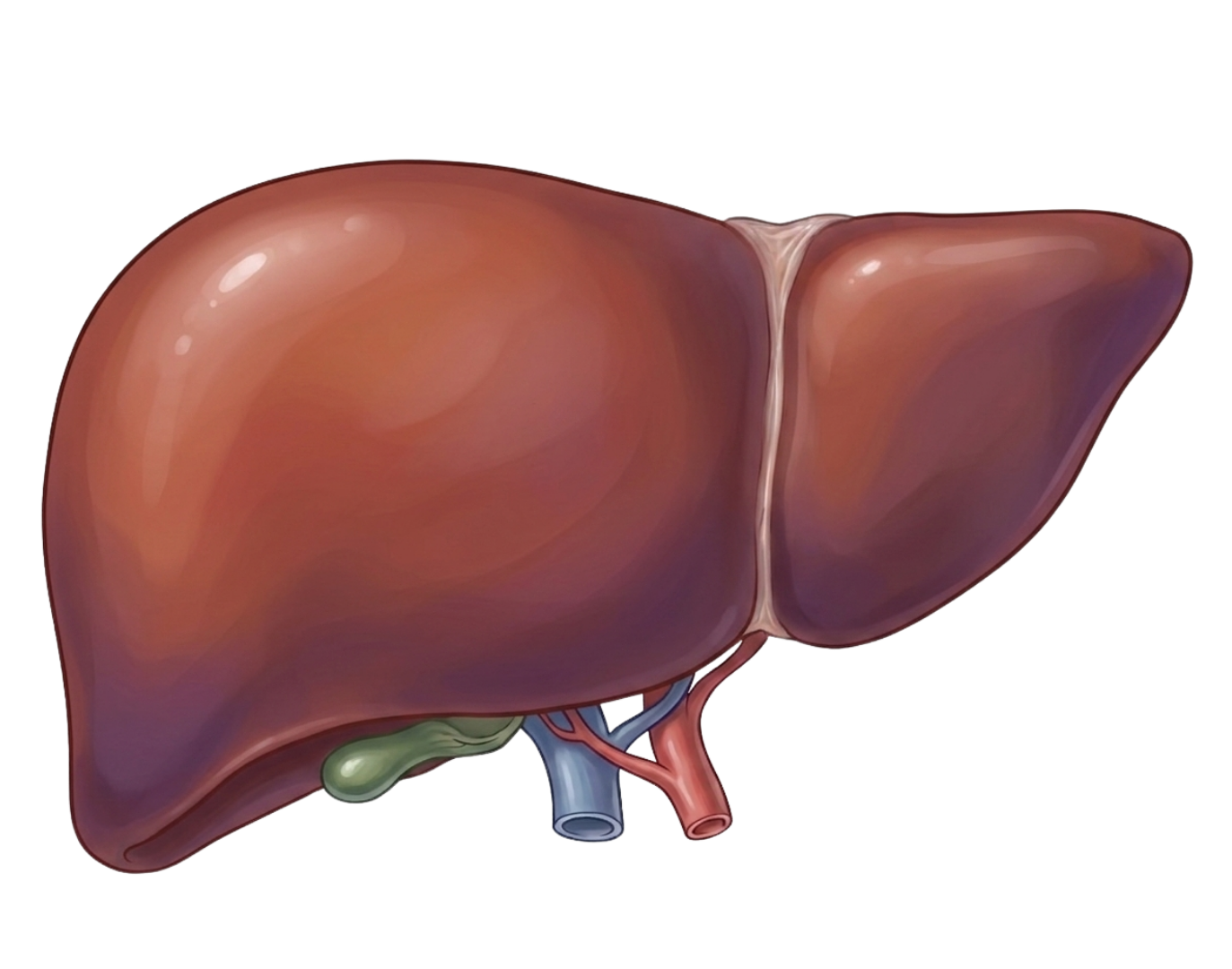
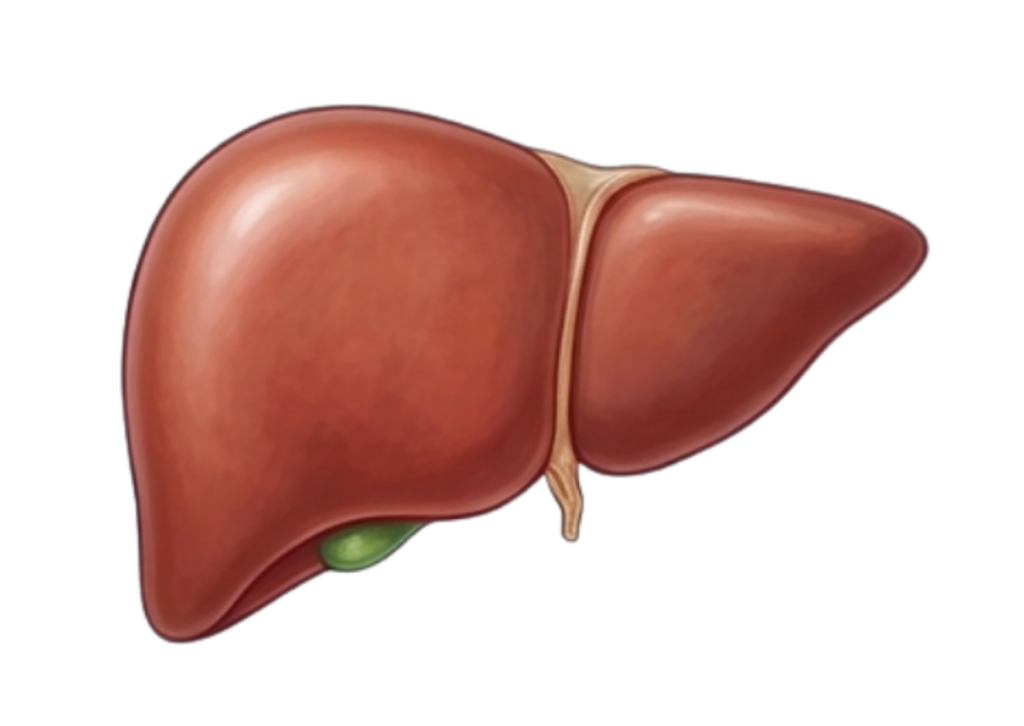
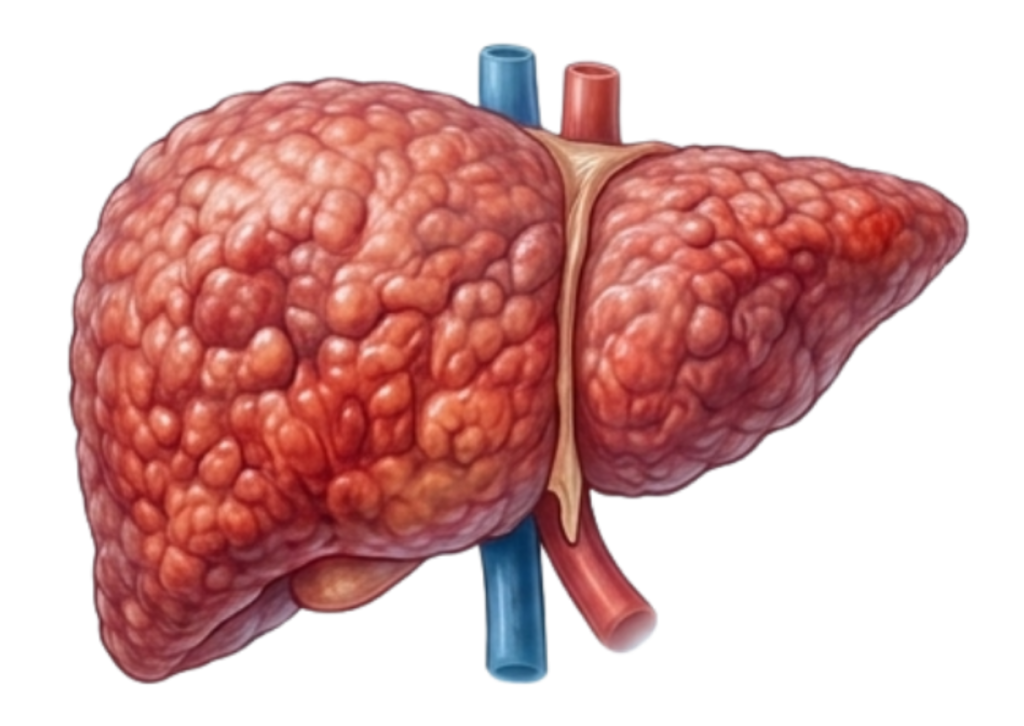
The liver is our biggest internal organ and manages more than 500 metabolic processes. That is why it is important to prevent or treat common chronic liver diseases like Metabolic dysfunction-associated steatotic liver disease (MASLD), where excess fat builds up in the liver due to metabolic imbalances, and Metabolic dysfunction-associated steatohepatitis (MASH), an advanced stage where this fat buildup causes dangerous liver inflammation and tissue damage.

Who is at risk?

Obesity

Diabetes

Dyslipidemia

Hypertension

Sleep apnea

Hepatitis

Bariatric surgery

PCOS

Alcohol

MASLD and MASH (formerly known as NAFLD and NASH) are metabolic diseases of the liver. Recent studies have shown that more than 70% of diabetic patients and around 30% of people who are obese have MASLD.

MASLD/MASH in numbers

30%

Up to 30 out of 100 people, or over 100 million of American adults have MASLD

over 20 mil

Over 20 million adult Americans are estimated to be living with MASH

3 in 5

More than 3 in 5 MASLD patients present with normal liver enzymes

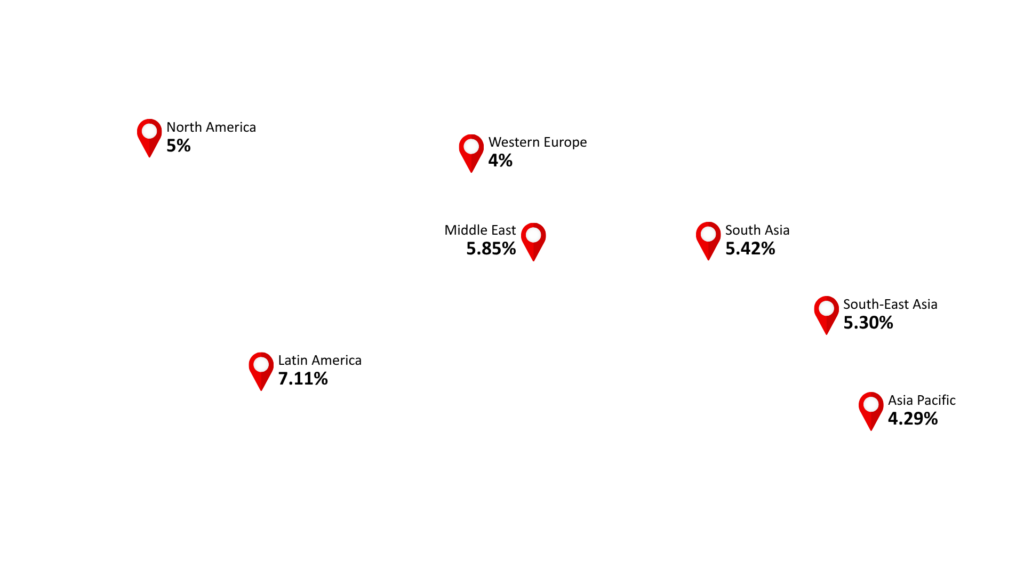
MASH Prevalence: 5.3%

Pooled prevalence of MASH among MASLD patients is 16% (95% confidence interval)

What are the symptoms ?

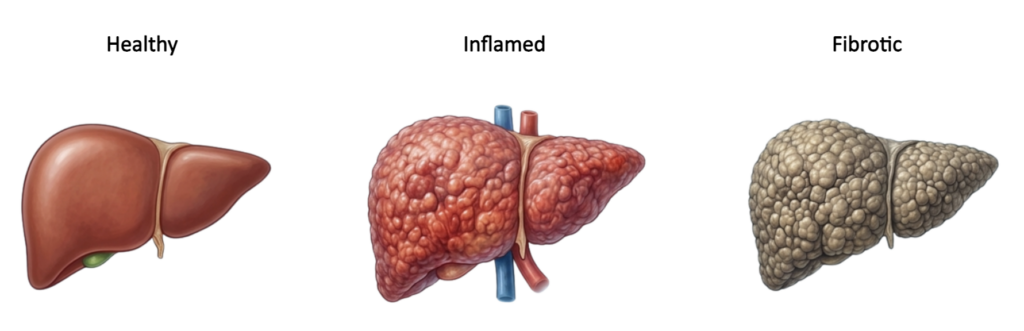
Healthy

Inflamed

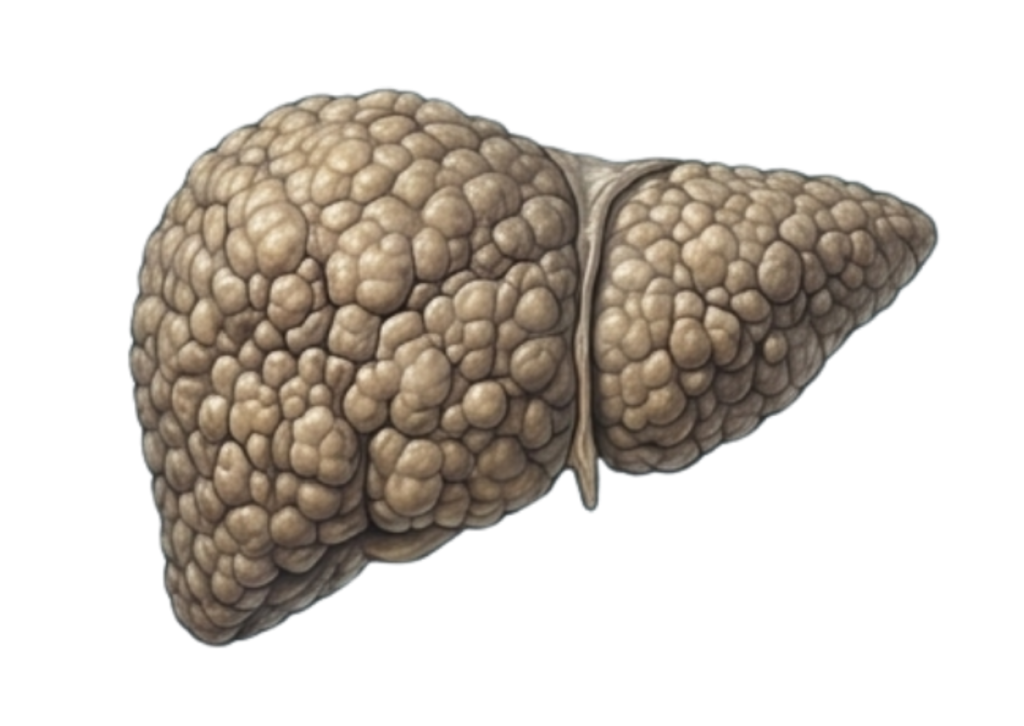
Fibrotic

MASLD is still reversible in the early stages with the right treatment and lifestyle changes. Early detection and management of these conditions can help prevent progression to more severe liver diseases and improve overall treatment outcomes.

What happens if you have MASH/MASLD ?

*Consult and follow your doctor’s recommendations. These may include:

Medications

Your doctor may prescribe medications to treat specific conditions affecting your liver, such as hepatitis or fatty liver disease.

Monitoring

You might need to have repeat liver function tests or other follow-up tests to monitor your liver’s condition over time.

Habit Changes

Focus on cutting back on alcohol, transitioning to a balanced diet rich in whole foods, managing weight through sustainable habits, and building a routine to stay physically active every day.

Referral

Your doctor may ask you to see a specialist for additional evaluation.

Medications

Your doctor may prescribe medications to treat specific conditions affecting your liver, such as hepatitis or fatty liver disease.

Monitoring

You might need to have repeat liver function tests or other follow-up tests to monitor your liver’s condition over time.

Habit Changes

Focus on cutting back on alcohol, transitioning to a balanced diet rich in whole foods, managing weight through sustainable habits, and building a routine to stay physically active every day.

Referral

Your doctor may ask you to see a specialist for additional evaluation.

Take control of your liver health

Discover how LIVERFASt™ can help you clearly understand your liver health and give you the insights needed to protect it.