Turmeric & Liver Health: Curcumin’s Real Impact on Fatty Liver

Turmeric has long held a place in traditional wellness, but curcumin, its active compound, is now capturing clinical interest. With NAFLD (now MASLD) affecting millions worldwide, many people are exploring complementary options that might support liver function. Curcumin stands out because its biological effects align with pathways involved in the development of fatty liver disease.

What Research Reveals

Recent randomized controlled trials show that curcumin can help reduce liver fat and improve enzyme markers such as ALT and AST, key indicators of liver stress. Meta-analyses echo these findings, reporting improvements in liver enzymes, BMI, and certain metabolic parameters. These benefits are believed to stem from curcumin’s anti-inflammatory and antioxidant properties, which may help counteract the progression of fatty liver.

Clinical Trials & Meta‑Analyses

  • A large meta-analysis of 15 randomized controlled trials (905 participants) found that curcumin significantly reduced ALT by ~4.1 units and AST by ~3.3 units compared to placebo.

  • Another systematic review of 14 RCTs found even larger reductions: ALT dropped by ~8.7 units and AST by ~6.4 units.

  • Beyond liver enzymes, curcumin has shown metabolic benefits: a meta-analysis reported significant decreases in LDL cholesterol, triglycerides, fasting blood sugar, HOMA‑IR (a measure of insulin resistance), and waist circumference.

  • In a systematic review of 16 RCTs, curcumin also increased the rate of ultrasound‑measured steatosis resolution (i.e., reduced liver fat) and showed a relative risk (RR) of ~3.96 for fat clearance vs. control.

  • A broad “umbrella meta‑analysis” (11 meta-analyses, nearly 5,500 participants) supports curcumin’s effects on lowering AST, ALT, insulin resistance (HOMA‑IR), BMI, and waist circumference.­

Why Results Aren’t Always Consistent

Despite promising data, curcumin isn’t universally effective. Its impact varies significantly based on dose, duration, and formulation. Because curcumin is naturally poorly absorbed, many supplements use enhanced-absorption techniques. While effective, some high-potency formulations have been linked to rare cases of liver injury. This highlights the importance of using curcumin thoughtfully rather than assuming all supplements are risk-free.

The Bottom Line for Fatty Liver Care

Curcumin can be a supportive tool, but it’s not a standalone solution. Meaningful improvement in fatty liver still relies on nutrition, physical activity, weight management, and ongoing medical supervision. Curcumin fits best as an adjunct, an aid that complements, rather than replaces, structured care.

For those considering turmeric for liver health, the best approach is informed, balanced, and guided by the expertise of healthcare professionals.

Bridging the Gap: Liver Health in Diabetes Care

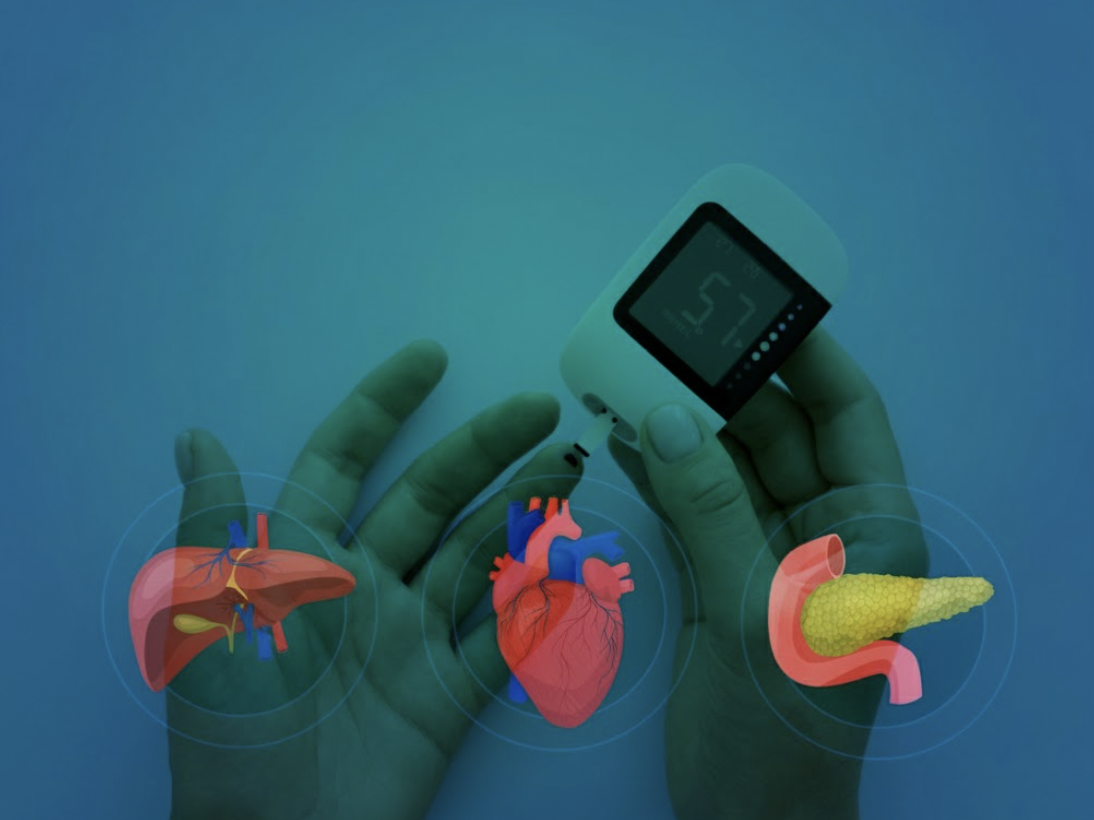
If you’re managing type 2 diabetes, it’s easy to focus on blood sugar numbers and forget one of your most important organs –> the liver. But emerging research shows the liver is far more than a chemical filter; it’s a central player in how your body handles sugar, fat, and overall metabolism. In fact, studies show that up to 70% of people with type 2 diabetes have excess liver fat (MASLD).

The “silent partner” in metabolic risk

What makes this serious is how quiet it can be. Terms like Metabolic dysfunction–associated steatotic liver disease (MASLD) refer to fat buildup in the liver linked to metabolic dysfunction, not alcohol intake. Without clear symptoms, many patients don’t realize what’s happening until liver scarring (fibrosis) or inflammation (MASH) is advanced.

How diabetes and liver disease amplify each other

  • Insulin resistance in the liver can worsen blood-sugar control, creating a vicious loop.

  • Having both diabetes and MASLD/MASH greatly increases the risk of cardiovascular disease, liver failure, and liver cancer.

  • Even with well-controlled glucose, hidden liver damage may be progressing silently.­

Better detection and earlier action

Detecting liver risk early means you can take action before major damage occurs. That’s where non-invasive tests designed for metabolic liver health come in, offering insights beyond routine liver enzyme panels. At Fibronostics, our flagship platform LIVERFASt gives clinicians a clear, fast view of liver inflammation, fat accumulation, and fibrosis—complementing diabetic care, not duplicating it.

What you can do today

  • Ask your healthcare provider about comprehensive metabolic-liver screening if you have diabetes, obesity, or high triglycerides.

  • Focus on lifestyle changes that help both liver and sugar control: Mediterranean-style diet, daily movement, weight-bearing exercise, and limiting sugary or ultra-processed foods.

  • Use your diabetes care plan as a platform for whole-body wellness, not just glucose targets.

When liver health and diabetes care work hand in hand, you create a foundation for better long-term outcomes. Because managing diabetes is more than controlling sugar, it’s protecting every organ it touches.

Liver & Mental Health: A Two-Way Street Often Overlooked

When you think about liver disease, you might picture pain, fatigue, or digestive problems. But there’s another side: Mental Health. Depression, anxiety, stress, and even cognitive changes often travel hand-in-hand with liver conditions. And understanding this link is essential if we want to treat patients fully and early.

What We Know About This Link?

A recent meta-analysis of over 2 million adults with non-alcoholic fatty liver disease (NAFLD) found that roughly 26% had depression, 37% had anxiety, and 51% experienced stress. Those are high numbers. Essentially, more than one in four people with NAFLD are also dealing with mood issues.

Another study using Mendelian randomization found that genetic predisposition to fatty liver disease raises the risk of psychiatric disorders, including bipolar disorder, post-traumatic stress disorder (PTSD), and obsessive-compulsive disorder (OCD). This suggests that it’s not just lifestyle or external stressors that could be biological drivers linking liver pathology and mental health.

Meanwhile, in people with chronic liver disease (CLD), mood disorders don’t just reduce quality of life; they worsen clinical outcomes. A review in Hepatology Communications showed that patients with depression and anxiety often have worse symptoms, lower adherence to treatment, greater fatigue, impaired social participation, and increased mortality risk.

The Vicious Cycle

The relationship is bidirectional. Not only does liver disease increase the risk of mental health disorders, but untreated mental health problems can worsen liver disease outcomes. For example:

  • Depression and anxiety significantly decrease adherence to treatment plans and healthy behaviors, accelerating disease progression.

  • Poor mental health increases the likelihood of substance use, which can further damage liver function.

  • Fatigue, pain, and impaired sleep from either liver disease or comorbid mental illness can amplify one another, lowering quality of life and complicating diagnosis and care.

Why Early Detection & Integrated Care Matter

Recognizing mental health symptoms early in liver disease can change the trajectory:

  • Improved treatment adherence: Someone who isn’t depressed or deeply anxious is more likely to follow dietary, lifestyle, or medication recommendations.

  • Better quality of life: Managing anxiety, depression, or stress helps patients maintain social connections, continue daily activities, work, and sleep, all of which support physical health.

  • Reduced progression risk: Early lifestyle interventions or medical monitoring can slow disease progression. If mental health improves, energy and motivation to act improve.

How Tools Like LIVERFASt™ & LIVERSTAT Fit?

At Fibronostics, we believe in holistic care. While mental health may lie outside the “traditional” scope of liver diagnostics, non-invasive tools like LIVERFASt™ and LIVERSTAT are essential ingredients in a full picture because:

  • By detecting fibrosis, steatosis, and inflammation early, they allow clinicians to intervene before physical disease becomes severe (and before symptoms like fatigue, brain fog, and mood changes become overwhelming).

  • For individuals experiencing anxiety or mild mood issues, knowing one’s liver health status can reduce uncertainty and fear. Often, fear and “not knowing” contribute heavily to mental distress.

  • They provide measurable, repeatable data, which helps guide both medical and lifestyle interventions, knowing where you stand and seeing progress supports motivation and mental well-being.

Conclusion

The intricate connection between the liver and mental health emphasizes that optimal care for individuals with liver disease must address both physical and psychological needs. Mental health symptoms are not just a byproduct of chronic disease; they are closely tied to the underlying biology of liver dysfunction. Integrated care, early intervention, and mindful attention to both mind and body are crucial for improving overall quality of life and clinical outcomes in this vulnerable population

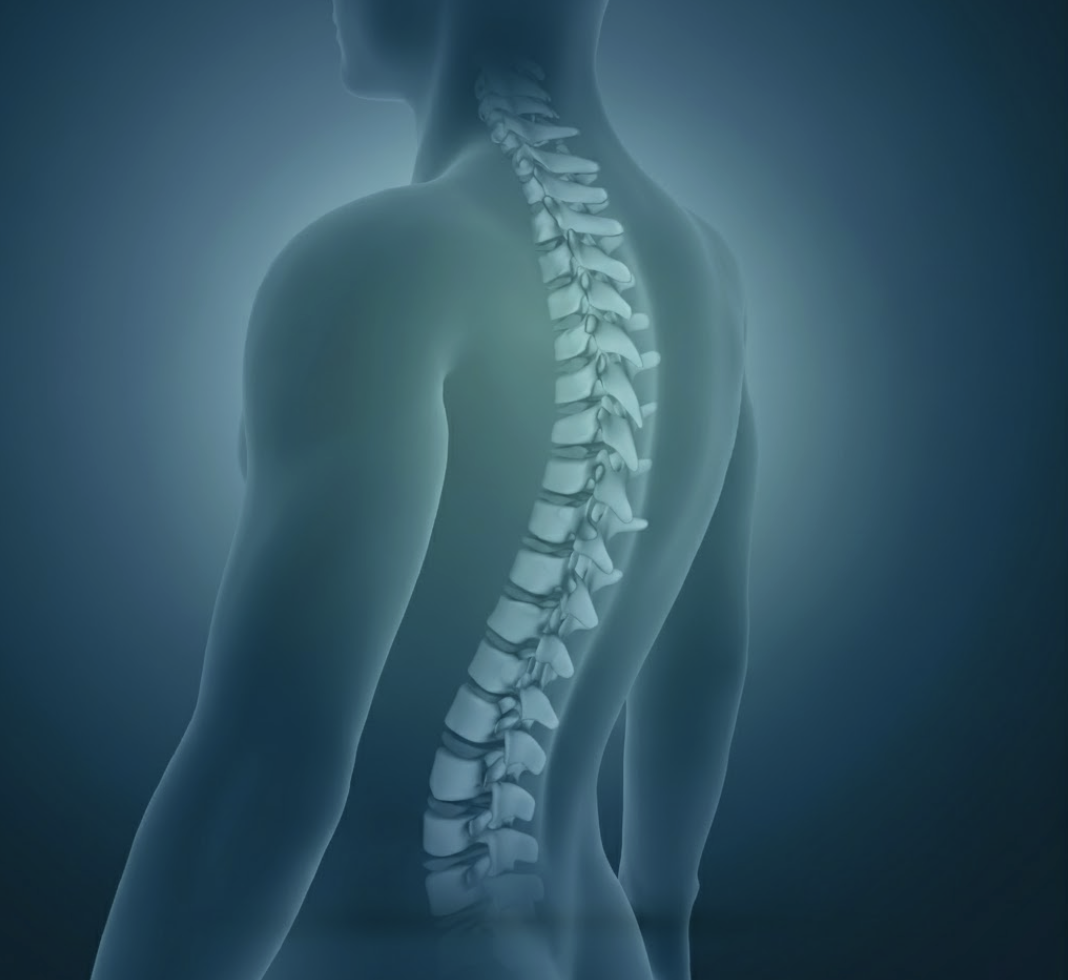
How Liver Health Impacts Your Spine and Everyday Movement

When people think of liver disease, they often imagine fatigue, digestive issues, or metabolic problems, not back pain. Yet, recent studies suggest that liver health and spine health are more connected than we think.

Hidden Link Between Liver & Musculoskeletal Health

Your liver isn’t just responsible for metabolism and detoxification; it plays a central role in regulating inflammation and energy balance throughout the body. When the liver becomes overloaded with fat or inflamed, as in MASLD or MASH, it can release inflammatory cytokines that circulate systemically.

These inflammatory signals don’t just stay in the liver. They affect muscles, joints, and bones, contributing to muscle weakness, bone loss, and chronic pain, including in the lower back. Over time, this inflammation can impair posture, mobility, and even spinal stability.

Growing Overlap Between Metabolic & Structural Conditions

According to the World Health Organization, low back pain affects over 628 million people globally, and that number is expected to climb to 843 million by 2050. Much of this increase is linked to metabolic disorders such as obesity, insulin resistance, and liver dysfunction, which together create a “metabolic pain loop.”

In simple terms, poor metabolic health weakens the spine and muscles, while limited mobility worsens liver function, forming a cycle that’s easy to miss and hard to break.

Approach to Prevention

The key to breaking this cycle lies in early detection and proactive care. At Fibronostics, our non-invasive solutions, such as LIVERFASt™ and LIVERSTAT, help clinicians identify liver inflammation, fibrosis, and metabolic dysfunction long before symptoms appear.

By improving liver health early, patients can reduce inflammation, enhance muscle performance, and protect their overall musculoskeletal health.

Better movement, energy, and strength all start with one essential liver.

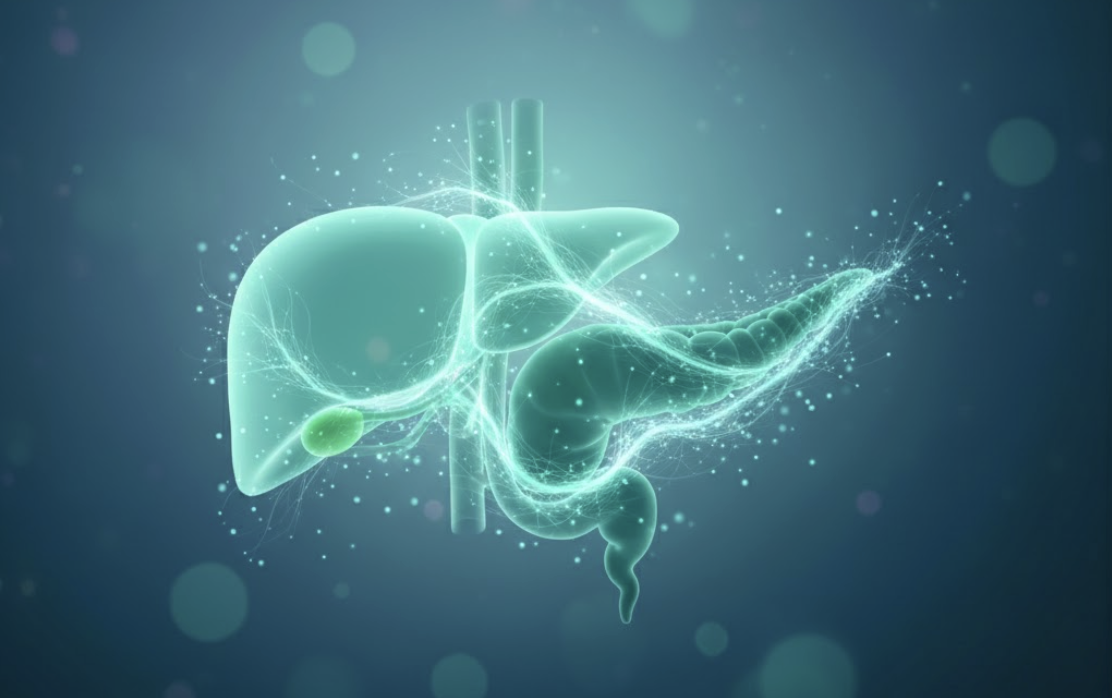
Liver & Pancreas Connection: Why Early Detection Matters in Metabolic Health

When we think of metabolic health, the liver and pancreas often operate behind the scenes, regulating fat metabolism, insulin balance, and inflammation. But they don’t function in isolation. Emerging research increasingly links conditions like MASLD and MASH with risks to the pancreas, including Pancreatic Cancer.

How the liver & pancreas interplay

Chronic fat accumulation in the liver (as in MASLD/MASH) triggers systemic inflammation, insulin resistance, and metabolic stress, all factors that impair pancreatic function and elevate cancer risk. Meanwhile, the pancreas’s role in insulin production and digestion means metabolic dysregulation affects it directly. As one organ falters, the strain often shows up in the other.

What the numbers tell us

  • According to the American Cancer Society, approximately 67,440 people in the U.S. are expected to be diagnosed with pancreatic cancer in 2025, and roughly 51,980 are projected to die from it.

  • A 2024 meta-analysis found that individuals with MASLD had a 1.32 times higher risk of developing pancreatic cancer compared to people without fatty liver disease.

  • A 2025 cohort study showed that among people with MASLD, hyperglycemia (high blood sugar) was independently associated with increased pancreatic cancer risk, even after adjusting for obesity or alcohol use.

Why early detection is so vital

Pancreatic cancer remains one of the deadliest cancers, mainly because it’s often detected late. The five‐year survival rate in the U.S. remains around 13 % for all stages combined.  If we can identify metabolic risk earlier, when liver health is already compromised but the pancreas hasn’t yet failed, we may open a window to prevention and intervention.

Where Fibronostics comes into play

At Fibronostics, our diagnostic platforms LIVERFASt™ and LIVERSTAT® empower clinicians to identify liver fibrosis, inflammation, and steatosis early, before advanced consequences or related pancreatic risk sets in. By flagging metabolic risk and liver impairment, these tools help initiate care pathways that address both liver and pancreas health. In essence, detecting liver issues early becomes a preventive act for pancreatic outcomes too.

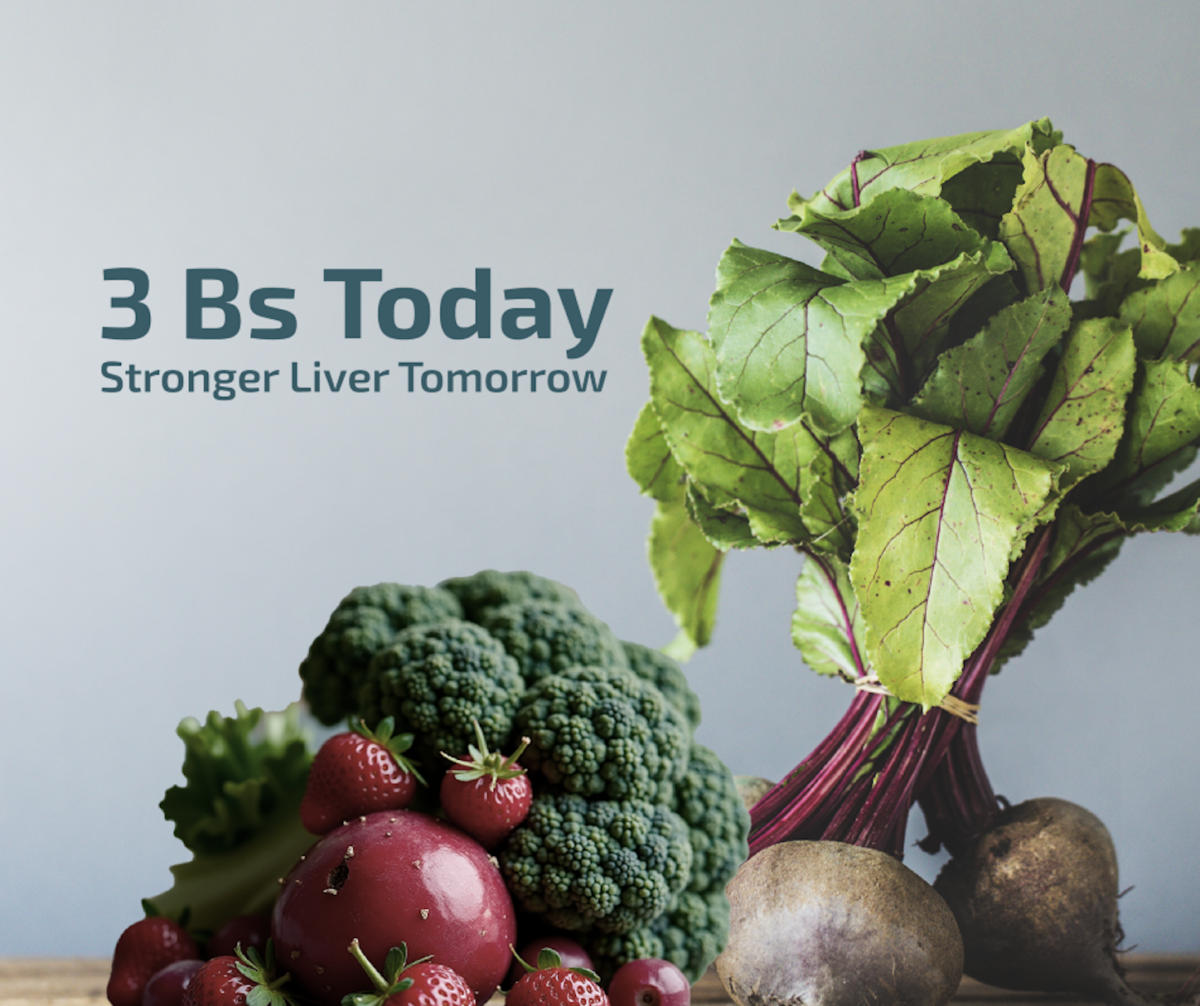
“3 Bs” Diet: Simple Foods That Could Protect Your Liver

Fatty liver disease is one of the most common yet overlooked health problems today. Often called a “silent condition”, it can progress quietly for years before showing symptoms by which time it may have advanced to fibrosis, cirrhosis, or even liver cancer. The good news is that both lifestyle changes and early detection can dramatically reduce this risk.

Recently, a Harvard-trained gastroenterologist highlighted a simple, memorable approach: the “3 Bs diet” —> Berries, Broccoli, and Beets.

Why the “3 Bs” Matter?

  • Berries: Packed with antioxidants like anthocyanins, berries help reduce oxidative stress and inflammation in the liver, both key drivers of long-term damage.

  • Broccoli: Rich in sulforaphane and fiber, broccoli supports natural detoxification pathways and promotes healthy fat metabolism.

  • Beets: Loaded with betalains, beets improve blood flow and help the liver eliminate toxins more efficiently.

Alongside these foods, experts also recommend black coffee, green tea, matcha, and turmeric (when paired with black pepper) for their liver-protective properties.­

Why Diet Alone Isn’t Enough?

While following a fatty liver diet can help reduce the risk, it’s important to remember that fatty liver disease (MASLD/MASH) often develops silently. Many people may already have steatosis, inflammation, or fibrosis without knowing it.

That’s why non-invasive liver tests are critical for early detection. Traditional methods like liver biopsy are invasive, while ultrasound or CT scans may miss early stages. This is where innovation makes a difference.

Fibronostics: Turning Prevention Into Action

At Fibronostics, we combine preventive nutrition insights like the “3 Bs diet” with advanced non-invasive diagnostics:

  • LIVERFASt™: A non-invasive, blood-based test that measures fibrosis, steatosis, and inflammation with precision.

  • LIVERSTAT: A quick triage tool for clinicians, using standard lab markers to identify patients at risk of advanced fibrosis.

Together, these tools ensure early detection and ongoing monitoring, so interventions like dietary changes, exercise, or medication can be introduced before irreversible damage occurs.

Takeaway

Supporting your liver doesn’t have to be complicated. Adding the “3 Bs” —> berries, broccoli, and beets to your plate is a small step with potentially big impact. And when paired with early, non-invasive diagnostics, it paves the way for a healthier, more proactive future in liver care.

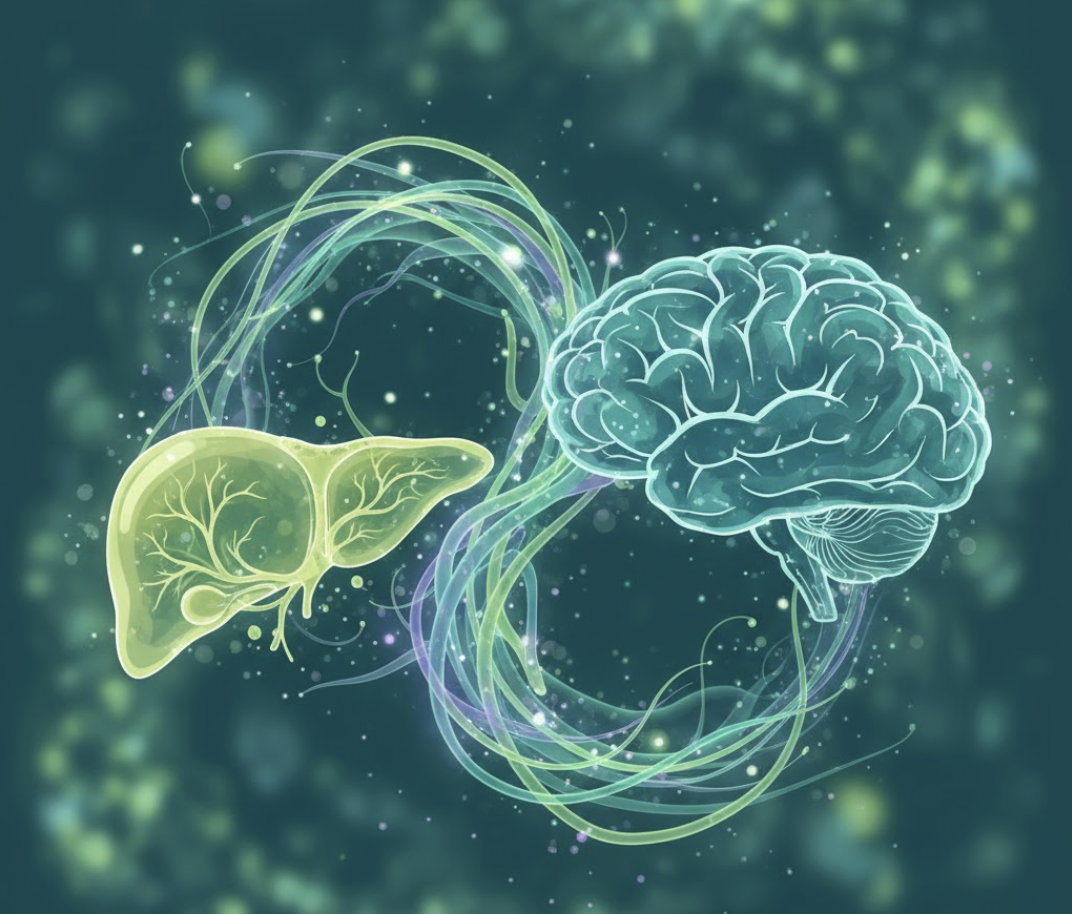
Liver and Brain Connection: How Liver Health Impacts Cognitive Function

At first glance, the liver and brain may seem unrelated organs. One filters toxins; the other processes thoughts. But modern research paints a very different picture, one in which your liver health has a profound effect on your brain’s vitality.

The liver is a metabolic powerhouse, playing a central role in regulating glucose, insulin, fat metabolism, and inflammation when the liver becomes impaired, as in the case of MASLD (Metabolic Dysfunction-Associated Steatotic Liver Disease), the brain may suffer too.

What Is MASLD, and Why Should You Care?

MASLD is the most common liver disease worldwide, affecting nearly 1 in 3 adults. It results from excess fat accumulation in the liver, often tied to obesity, insulin resistance, and metabolic syndrome. MASLD replaces the older term NAFLD, reflecting a stronger focus on metabolic dysfunction as its root cause.

While MASLD is often “silent,” it can progress to liver fibrosis, cirrhosis, and now, as research reveals, cognitive decline.­

The Brain-Age Gap: What the UK Biobank Study Found

A groundbreaking 2024 study, using data from the UK Biobank (comprising over 30,000 participants), revealed that individuals with MASLD exhibited an accelerated “brain-age gap.”

That means their brain appeared biologically older than their actual age, by nearly 1 year, and even more in subtypes like MetALD.

The study, published in Liver International (PMID: 40296771), also found that:

  • Systemic low-grade inflammation accounted for approximately 13.5% of the effect.

  • Insulin resistance and gut-liver-brain axis dysfunction likely contribute to the neurodegenerative process.

This reinforces the need to detect liver disease early, before cognitive symptoms emerge.

Cognitive Risks Linked to Poor Liver Health

Several cognitive issues have been associated with chronic liver disease:

  • Memory and attention impairments

  • Slowed processing speed

  • Increased risk of mild cognitive impairment (MCI) or dementia

  • Hepatic encephalopathy in more advanced cases

While the most severe symptoms occur in advanced liver failure, early-stage MASLD may already be impacting your brain, silently.

Fibronostics Solution: Early, Non-Invasive Screening

At Fibronostics, our mission is to make liver diagnostics fast, accessible, and needle-free.

✅LIVERFASt™: A comprehensive blood-based diagnostic panel that assesses liver fibrosis, inflammation, steatosis, and function, powered by AI-driven algorithms.

✅ LIVERSTAT: A rapid, point-of-care solution offering on-the-spot liver health insights, ideal for clinics, wellness centers, and health screenings.

By identifying at-risk individuals early, our tools help prevent not just liver damage, but potentially, cognitive decline as well.

Guava and Liver Health: A New Frontier in Medicine

When it comes to medical breakthroughs, nature has always been an extraordinary source of inspiration. Recently, researchers at the University of Delaware have taken a big step in the fight against liver and bile duct cancers by successfully synthesizing a key molecule found in guava plants at a fraction of the traditional cost.

This advancement is more than just a scientific curiosity; it represents a potential game-changer in the accessibility and affordability of future liver cancer treatments.

­Why This Discover Matters

  • Affordable & Scalable: The research team developed a synthetic pathway that makes this guava-derived molecule much cheaper and easier to produce. This means it can be manufactured at scale, a critical step in moving from the lab to real-world use.

  • Therapeutic Promise: The molecule is already being studied in collaboration with the National Cancer Institute for its potential to fight liver and bile duct cancers, both of which are notoriously difficult to treat.

  • Addressing a Critical Need: Liver cancer has one of the lowest survival rates, with a 5-year survival rate still under 15%. Bile duct cancers fare similarly, highlighting the urgent need for both better treatments and earlier detection.

­

­The Bigger Picture: Diagnosis and Treatment Must Work Hand in Hand

While promising new molecules like this one offer hope for better treatments, the fight against liver disease must start earlier. Detecting disease before it progresses to advanced stages is crucial.

That’s where non-invasive diagnostics come into play. At Fibronostics, our solutions like LIVERFASt™ and LIVERSTAT provide physicians with quick, accurate, and patient-friendly tools to assess liver health without the risks or discomfort of invasive procedures.

Pairing early detection with cutting-edge therapies gives patients the best chance at longer, healthier lives.

­­

Future Rooted in Innovation

The idea that a molecule from guava leaves could help fight cancer is a reminder of how interconnected science and nature truly are. With each breakthrough, we’re moving closer to a world where liver disease is no longer a silent killer but a manageable condition diagnosed early, treated effectively, and monitored with precision.

At Fibronostics, we’re proud to be part of that journey, ensuring that innovations in diagnosis keep pace with advancements in treatment.

Fatty Liver Explained: Causes, Prevention, and Early Detection

What Is Fatty Liver Disease?

Fatty liver disease, now widely known as MASLD (Metabolic dysfunction-associated steatotic liver disease), is a condition where fat accumulates in liver cells, exceeding 5% of the liver’s weight. While this may not sound alarming, excess liver fat can cause inflammation and scarring over time, eventually leading to fibrosis, cirrhosis, liver failure, or even liver cancer in severe cases.

What makes fatty liver particularly concerning is that it’s usually asymptomatic in the early stages, meaning many people have it and don’t even realize it. It’s often discovered incidentally during routine blood work or imaging tests performed for unrelated issues.

­

NAFLD and MASLD: What’s the Difference?

The term NAFLD (Non-Alcoholic Fatty Liver Disease) has historically been used to describe fatty liver not caused by alcohol. However, the medical community has shifted to using MASLD, as it better reflects the metabolic causes of the condition, such as obesity, insulin resistance, high cholesterol, and type 2 diabetes.

This updated terminology emphasizes that fatty liver is part of a broader metabolic dysfunction. In other words, liver health isn’t isolated; it’s deeply connected to lifestyle and chronic conditions like diabetes and heart disease.

­

What Causes Fatty Liver?

Fatty liver develops when the liver’s ability to process fat is overwhelmed, causing fat to build up in the liver cells. This can be due to:

  • Unhealthy eating habits (diets high in processed foods and sugars)

  • Sedentary lifestyle

  • Obesity and insulin resistance

  • High blood pressure and abnormal cholesterol levels

  • Type 2 diabetes

  • Rapid weight loss or certain medications

In some cases, alcohol use can lead to a similar condition, referred to as alcohol-related liver disease (ARLD).

­

Can It Be Prevented or Reversed?

Yes, especially in the early stages, fatty liver is often preventable and reversible. The cornerstone of management lies in lifestyle changes. Adopting a diet rich in whole foods, limiting added sugars and refined carbs, increasing physical activity, and managing weight can all significantly improve liver health.

Losing just 5–10% of body weight has been shown to reduce liver fat, inflammation, and even early-stage fibrosis. Quitting smoking, managing stress, and sleeping well also contribute to overall liver and metabolic wellness.

­

Treatment: No Pills, Just Prevention (for Now)

Currently, there are no medications specifically approved to treat MASLD. That means lifestyle change remains the most effective approach. However, people with more advanced liver disease may require regular monitoring, liver function tests, and ongoing management from a specialist. This makes early detection critical, identifying the disease before symptoms appear or permanent damage occurs.

­

Why Early Detection Matters

Because fatty liver is often symptomless, it tends to go undiagnosed until it’s progressed. That’s why routine liver screening, especially for individuals with metabolic risk factors, is key. The earlier the diagnosis, the better the chances of reversing damage and preventing progression.

However, liver biopsies (the traditional gold standard) are invasive, expensive, and not practical for widespread screening. This is where non-invasive diagnostics are transforming the game.

­

Supporting Early Detection with Smarter Tools at Fibronostics

At Fibronostics, we’re rethinking liver diagnostics. Our non-invasive solutions — LIVERFASt and LIVERSTAT provide accurate assessments of fibrosis, inflammation, activity, and steatosis through a simple blood test. No biopsy. No wait. Just insights that help guide timely decisions. Because in liver health, the earlier you act, the better the outcome.

Silent Link Between Hypertension and Liver Disease

High blood pressure doesn’t just strain your heart – it may quietly damage your liver too.  

Several studies, including a large-scale analysis from the China Medical Journal, reveal a clear association between hypertension and MASLD. People with hypertension are significantly more likely to develop fatty liver disease, especially when compounded by insulin resistance, obesity, and metabolic syndrome. 

­

AHA research further confirms: 

  • MASLD patients often exhibit higher systolic and diastolic pressures.
  • Hypertension may precede liver abnormalities and is independently linked to fibrosis. 

Connection Between Hypertension and Liver Disease

  • Metabolic overlap: Both conditions are driven by metabolic dysfunction. Fatty liver disease (MASLD) and hypertension often coexist in people with obesity, diabetes, or insulin resistance.
  • Inflammation & Fibrosis: Chronic liver inflammation increases systemic cytokines and oxidative stress, damaging blood vessels and elevating blood pressure.
  • Hepatorenal syndrome: In advanced stages, liver damage can impair kidney function, leading to fluid retention and hypertension.
  • Clinical data: Studies suggest that up to 50% of hypertensive patients have MASLD, and those with both conditions face higher risks of liver fibrosis and adverse cardiovascular events.­­

How does Hypertension Contribute to Liver Fibrosis? 

Despite being underappreciated, hypertension’s impact on the liver can have serious consequences. Increased vascular pressure, which can change blood flow within the liver, is how hypertension works.  

Microvascular injury, or tiny rips or damage in the blood arteries that sets off an inflammatory reaction, can result from high blood pressure. Stellate cells, the primary cause of fibrosis, are activated as a result. When these cells are triggered, they begin to produce collagen and other matrix components, which causes fibrous scar tissues to replace healthy liver tissues. 

­

Complications You Can’t Ignore 

Advanced liver disease due to untreated MASLD can lead to portal hypertension, where blood flow through the liver is obstructed, causing swollen veins and organ dysfunction. 

This condition can remain undetected for years without symptoms, silently progressing to cirrhosis, internal bleeding, and organ failure.

­

What You Can Do?

  • Monitor your blood pressure regularly, especially if you have risk factors for liver disease.
  • Maintain a healthy weight and balanced diet. 
  • Limit alcohol intake and avoid hepatitis risk factors. 
  • Get regular liver health assessments for hypertension, diabetes, or metabolic syndrome. 

Role of Early Detection 

While liver biopsies are the gold standard, they are invasive. At Fibronostics, our AI-powered diagnostics, like LIVERFASt, offer a non-invasive, accessible, and clinically validated solution to detect liver health issues early, even in hypertensive patients.