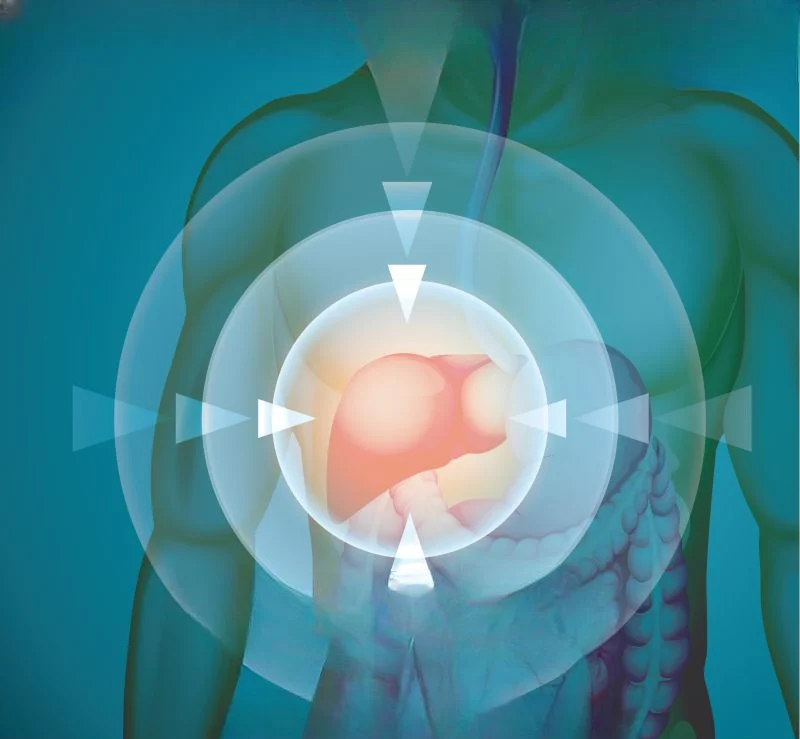
Understanding Liver Steatosis: The Warning Sign in MASLD

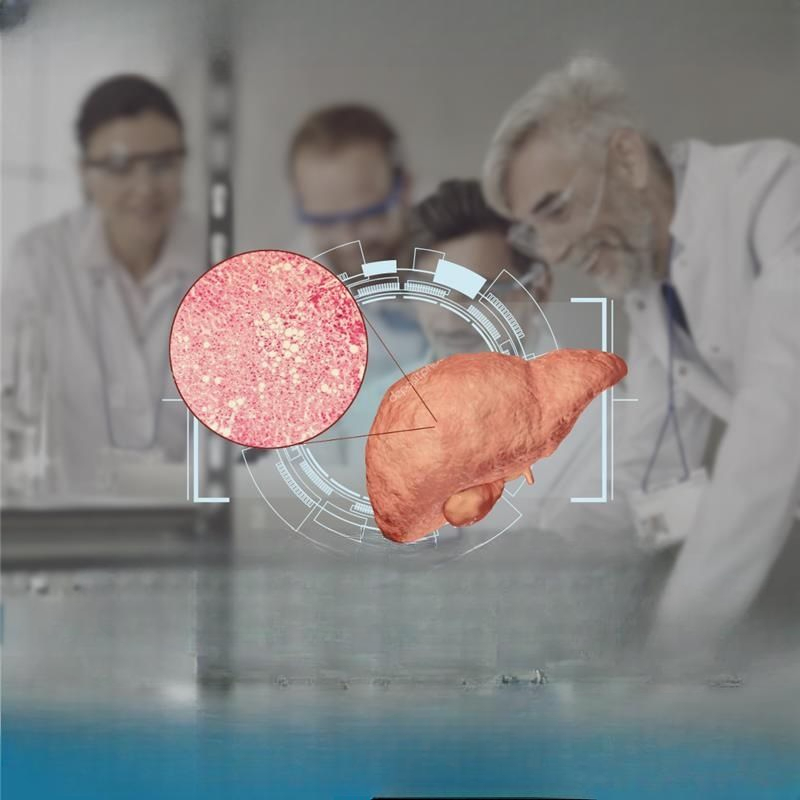
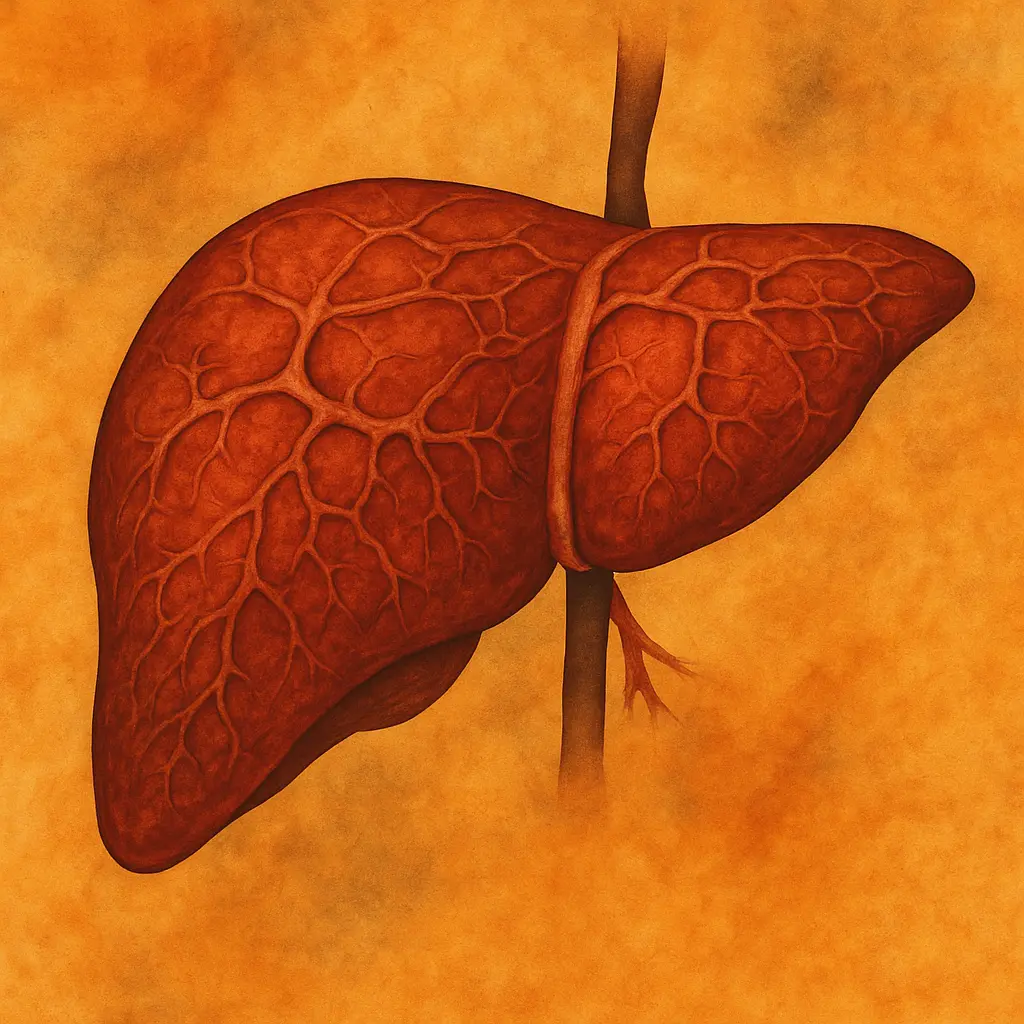
Liver steatosis commonly known as fatty liver is no longer a silent bystander in liver health. It’s the central feature of Metabolic Dysfunction-Associated Steatotic Liver Disease (MASLD), a condition that’s quietly becoming a major global health burden.

What was once dismissed as benign fat accumulation in the liver is now understood to be the starting point of a progressive liver disease spectrum from steatosis to inflammation, fibrosis, and potentially cirrhosis or cancer.

­

Why Liver Steatosis Deserves More Attention

The European Association for the Study of the Liver (EASL) recently emphasized that MASLD is closely linked to rising rates of obesity, type 2 diabetes, insulin resistance, and metabolic syndrome. But what makes steatosis especially concerning is how common and undetected it remains. You can have significant fat buildup in your liver without any symptoms. By the time conventional tests raise flags, damage may already be progressing.

­

Who’s Most at Risk?

Emerging research highlights that sex, body mass index, and diabetes status all influence how likely someone is to develop or progress with liver steatosis. This reinforces the need for wider screening, especially in metabolic clinics and primary care settings.

­

Diagnostic Challenges

Despite being widespread, liver steatosis often goes undiagnosed. Here’s why:

  • Liver biopsy is invasive, risky, and expensive – not suitable for large-scale screening.

  • Ultrasound, though commonly used, lacks sensitivity for detecting early-stage steatosis.

  • CT scans expose patients to radiation and miss mild fat accumulation.

  • Advanced imaging (like MRI or VCTE) shows promise, but adoption is limited due to cost and access barriers.

These limitations mean that many high-risk patients especially those with diabetes, high BMI, or PCOS remain undiagnosed until later stages of MASLD.

­

LIVERFASt: A New Era in Liver Diagnostics

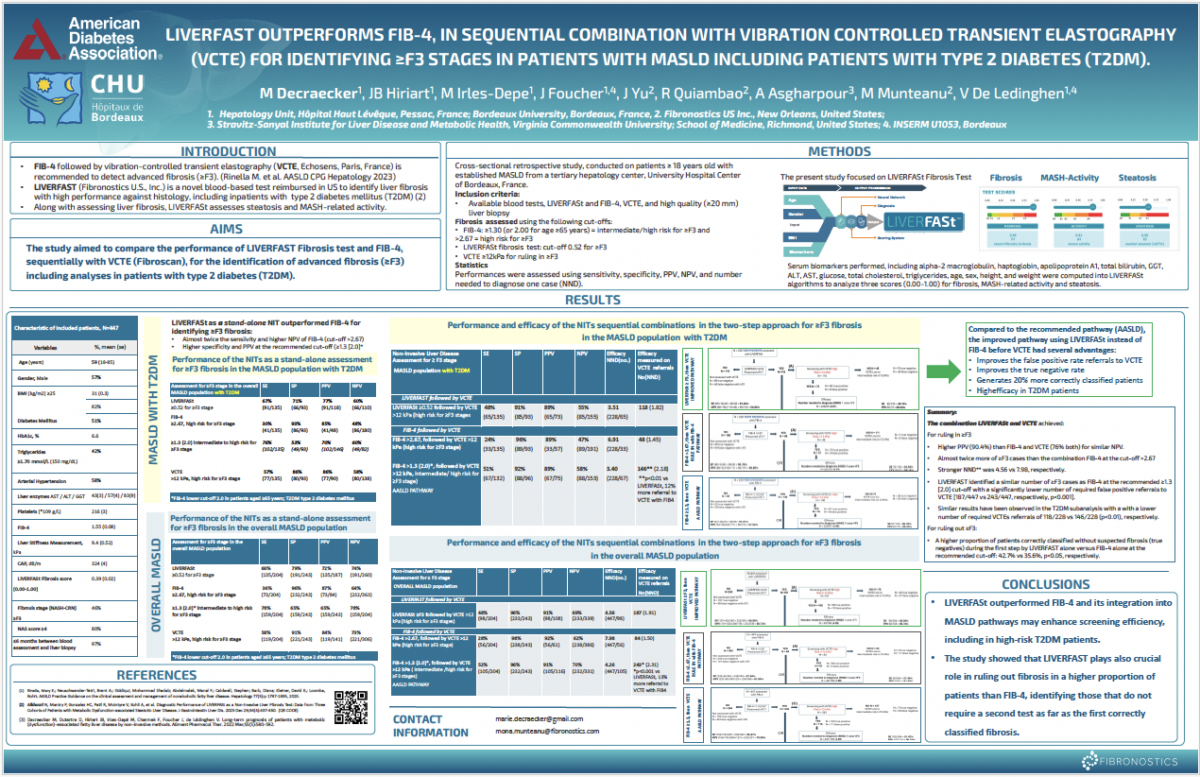
With all the diagnostic challenges, that’s where LIVERFASt comes in. It is a breakthrough blood-based diagnostic tool that quantifies steatosis, fibrosis, and inflammation (NASH activity) all in a single test.

With just a simple blood draw, healthcare providers can now:

  • Detect steatosis before symptoms begin

  • Monitor changes in liver fat over time

  • Guide personalized lifestyle and treatment interventions

As MASLD becomes more widespread, solutions like LIVERFASt will be key to catching liver disease early, acting faster, and protecting lives.

Why Monitoring Liver ‘Activity’ is Important?

When people think about liver disease, the conversation usually centers around fibrosis – the amount of permanent scarring in the liver. And yes, scarring matters. It helps us understand how far the disease has progressed. But there’s another critical piece we often overlook: Activity.

In liver diagnostics, activity refers to the inflammation and ongoing damage that’s happening in the liver right now.  And if you care about stopping liver disease early, activity might be even more important than scarring.


Why Activity Matters More Than You Realize

Here’s the thing: liver disease doesn’t become dangerous overnight. It builds over time – slowly, quietly, and often without symptoms. But when there’s a high level of inflammation, that’s a red flag. It tells us the disease is active, moving fast, and can accelerate into serious complications if left unchecked. This makes early detection not just important, but urgently necessary.


The Problem with Traditional Testing

Most liver assessments today focus on damage that’s already happened. They show how bad things have gotten – but not what’s going on right now. Biopsies and imaging scans might miss subtle inflammation, or they might be too invasive to perform regularly. That’s a huge problem, because when liver activity is high, every day counts.


What If You Could Spot Liver Activity Non-Invasively?

At Fibronostics, we’re focused on changing that. With AI-powered, non-invasive diagnostics, we can now detect not just fibrosis, but activity levels, with just a blood sample. All without biopsies. All without delays.

That means doctors and patients can:

  • Catch early signs of inflammation

  • Adjust treatment plans proactively

  • Monitor progression before it turns dangerous

In Liver Disease, Timing Is Everything

The earlier you catch active liver disease, the more you can do about it. Lifestyle changes, medical interventions, and regular follow-ups can genuinely change the trajectory of someone’s health if started early enough.

At Fibronostics, we believe the future of liver care isn’t just about looking backward. It’s about looking at what’s happening today and acting fast. Don’t just track what the liver was. Track what it’s doing now – before it’s too late.

What is the Difference Between MASLD and MASH?

Metabolic dysfunction-associated steatotic liver disease (MASLD) and metabolic dysfunction-associated steatohepatitis (MASH) are conditions tied to the buildup of fat in the liver due to metabolic health problems, such as obesity and diabetes. These terms have replaced older names—non-alcoholic fatty liver disease (NAFLD) and non-alcoholic steatohepatitis (NASH)—to emphasize the connection between liver disease and metabolic health rather than alcohol consumption. Understanding the differences between MASLD and MASH, and how MASLD can progress to MASH, is crucial for identifying individuals at higher risk for severe liver damage and managing these conditions effectively. Non-invasive diagnostic tools like the LIVERFASt test from Fibronostics play a significant role in assessing liver health.


What Exactly Are MASLD and MASH?

MASLD is a broad term for liver conditions where fat accumulates in the liver, primarily due to metabolic issues like obesity, insulin resistance, high blood pressure, or elevated cholesterol levels. To be diagnosed with MASLD, an individual must have liver fat (detected through imaging or blood tests) and at least one sign of metabolic dysfunction. The accumulation of liver fat in MASLD occurs because of problems in how the body processes fats and sugars.

MASH, on the other hand, is a more severe form of MASLD. It involves not only fat accumulation but also inflammation and liver cell damage. This liver injury can result in the formation of scar tissue, known as fibrosis. MASH is an advanced stage of liver disease that increases the risk of further complications, including cirrhosis (severe scarring) and liver cancer. While MASLD may remain stable in some individuals, others may progress to MASH, signaling that the liver is undergoing more harmful changes.


How Does MASLD Become MASH?

The transition from MASLD to MASH occurs when the buildup of fat in the liver triggers inflammation and liver cell injury. This process can be influenced by several factors, such as genetics, lifestyle, and the presence of conditions like type 2 diabetes. When fat accumulates in liver cells, it can cause stress to the cells and lead to the production of harmful molecules known as reactive oxygen species (ROS). These molecules can damage liver cells, setting off an inflammatory response.

The inflammation associated with this process recruits immune cells to the liver, which can further increase liver damage. Over time, if the liver is repeatedly exposed to this cycle of fat accumulation, cell injury, and inflammation, scar tissue (fibrosis) can form as the body tries to repair itself. Once fibrosis becomes significant, it indicates a progression to MASH. Unlike MASLD, which primarily involves fat storage, MASH includes active liver damage, inflammation, and the development of fibrosis.

Factors such as diet, alcohol consumption, and certain medications can accelerate this progression. People with a higher body mass index (BMI) or uncontrolled diabetes are at greater risk of transitioning from MASLD to MASH. Additionally, genetic factors can make some individuals more prone to inflammation and fibrosis, speeding up the transition.

Diagnosing MASLD and MASH: Why Is It Tricky?

Distinguishing between MASLD and MASH can be challenging because they share similar symptoms or can even be asymptomatic. Symptoms often don’t appear until liver damage becomes significant. Although a liver biopsy, which involves taking a small sample of liver tissue, has historically been considered the gold standard for diagnosing MASH, it is an invasive procedure that carries risks and discomfort. Given the high prevalence of MASLD, performing biopsies on everyone suspected of having liver disease is impractical.


Non-invasive tests, such as Fibronostics’ LIVERFASt, offer a valuable alternative. LIVERFASt is a blood-based test that analyzes markers related to liver fat, inflammation, and fibrosis using a specialized algorithm. It generates scores that indicate the severity of liver disease without needing a biopsy. This test helps doctors identify whether a person with MASLD may have progressed to MASH, which requires closer monitoring and possibly more aggressive treatment.


Why Does Early Identification Matter?

Early detection of MASH is essential because it carries a higher risk of progressing to severe liver disease compared to MASLD. If MASH is diagnosed early, interventions such as lifestyle changes, medication, or even experimental treatments can be employed to reduce inflammation and prevent further damage. Differentiating between MASLD and MASH enables healthcare providers to take action that could slow or even halt disease progression.


Fibronostics’ LIVERFASt test plays a crucial role in early identification by providing insights into whether a person’s liver shows signs of inflammation or fibrosis, both of which are characteristic of MASH. Using LIVERFASt can guide doctors in determining which patients need more immediate follow-up or treatment. It also helps patients avoid unnecessary liver biopsies when their liver condition does not appear to be severe.


The Impact of MASLD and MASH on Health

With the increasing rates of metabolic health problems like obesity and diabetes, MASLD and MASH are becoming significant public health concerns. Millions of people globally have these liver conditions, often without being aware of it. The risks associated with MASH are higher than those for MASLD because MASH can lead to life-threatening complications like cirrhosis and liver cancer. Understanding who has MASH versus MASLD is vital for effectively managing liver health and improving outcomes.

The LIVERFASt test from Fibronostics is particularly valuable for identifying individuals at risk of progressing from MASLD to MASH. By using a simple blood test, healthcare providers can get a clearer picture of a patient’s liver health, enabling informed decisions about their care. This is especially important as new treatments targeting MASH become available, allowing for more personalized and effective disease management.

Overlap Between Liver Disease and Inflammatory Bowel Disease

Inflammatory Bowel Disease (IBD), which includes Crohn’s disease and ulcerative colitis, is primarily known for affecting the gastrointestinal tract. However, emerging research confirms that a significant extraintestinal complication of IBD has liver involvement.

­

How Common Are Liver Problems in IBD?

Liver and biliary tract diseases are common extraintestinal manifestations of IBD, affecting up to 50% of patients at some point, though clinically significant liver disease occurs in about 5% of cases. These liver issues can range from mild, asymptomatic changes in liver tests to life-threatening complications and may occur independently of bowel disease activity.

­

Types of Liver Disease Seen in IBD

  • Fatty Liver Disease (Hepatic Steatosis): The most frequent liver complication in IBD, fatty liver involves the accumulation of fat in liver cells. It is often benign and reversible, especially as IBD is brought under control and nutritional status improves. However, it can be influenced by disease severity, malnutrition, and corticosteroid use.

  • Primary Sclerosing Cholangitis (PSC): PSC is a chronic, progressive disease causing inflammation and scarring of the bile ducts. It is strongly associated with IBD, particularly ulcerative colitis, and can eventually lead to liver failure. There is currently no cure for PSC except liver transplantation.

  • Other Hepatobiliary Manifestations: These include autoimmune hepatitis, cholelithiasis (gallstones), granulomatous hepatitis, portal vein thrombosis, pyogenic liver abscesses, and, rarely, conditions like hepatic amyloidosis and primary biliary cholangitis.­

Why Does IBD Affect the Liver?

The connection between IBD and liver disease is complex. Both IBD and several liver diseases (like PSC and autoimmune hepatitis) may share autoimmune mechanisms.

Persistent inflammation in the gut can affect the liver via the portal vein, leading to complications like portal vein thrombosis or liver abscesses. Also, drugs used to treat IBD-including methotrexate, azathioprine, and biologics-can sometimes cause liver toxicity or reactivate dormant hepatitis viruses.

­

Symptoms and Diagnosis

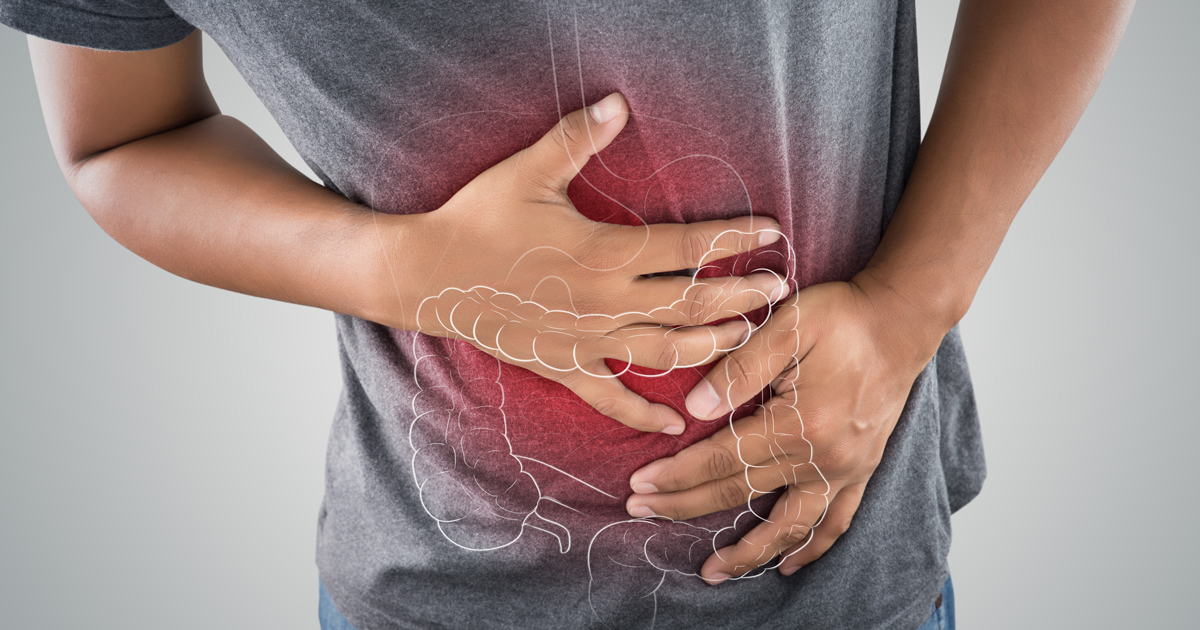
Many patients with IBD-related liver disease have no symptoms, but possible signs include fatigue, upper right abdominal pain, jaundice, itching, easy bruising, and fluid retention. Diagnosis typically involves blood tests, imaging (ultrasound, CT, MRI), and sometimes liver biopsy or endoscopic procedures. 

While all the above are invasive, at Fibronostics, our AI-powered diagnostics, like LIVERFASt, offer a non-invasive, accessible, and clinically validated solution to detect liver health issues early, even in hypertensive patients.

The Critical Link Between Metabolic Health & Liver Health

Did you know that metabolic health plays a key role in liver function? With the rise in conditions like obesity, diabetes, and metabolic syndrome, our livers are facing an increasing burden. Poor metabolic health can lead to the development of Metabolic Dysfunction-Associated Steatotic Liver Disease (MASLD), which often goes unnoticed in its early stages.

Early detection is crucial. Liver diseases like MASLD can progress silently for years, potentially leading to more severe conditions such as cirrhosis or liver cancer if left untreated.

This is where LIVERFASt play an important role. Our non-invasive diagnostic tool is designed to provide accurate assessments of liver health, detecting issues before they become critical. By helping healthcare providers monitor liver function and detect early signs of liver disease, LIVERFASt empowers proactive management and better health outcomes.

Prioritize your metabolic health for the sake of your liver. Early detection saves lives.

How Common are MASLD and MASH

Metabolic dysfunction-associated steatotic liver disease (MASLD) is highly prevalent in the U.S., affecting an estimated 38% of adults. This condition occurs when excess fat builds up in the liver due to factors unrelated to alcohol consumption, such as obesity, diabetes, and other metabolic issues. When MASLD progresses, it can lead to Metabolic dysfunction-associated steatohepatitis (MASH), a more severe form characterized by liver inflammation and damage.

MASH is less common but still affects a significant portion of the population. It is estimated that around 12-25% of individuals with MASLD will eventually develop MASH. The condition can lead to serious complications, including liver fibrosis, cirrhosis, and even liver cancer, if left untreated. The increasing prevalence of obesity and type 2 diabetes in the U.S. has contributed to a rise in both MASLD and MASH cases, highlighting the importance of early detection and intervention.


How Long Does It Take for MASLD to Progress to MASH?

The progression from MASLD to MASH typically occurs over a period of 10 years or more, although this timeline can vary widely. Factors such as age, genetic predisposition, obesity, insulin resistance, and lifestyle choices can accelerate or decelerate the progression. For example, individuals with poorly managed type 2 diabetes or who are severely obese are more likely to experience a faster progression to MASH. Early diagnosis and lifestyle interventions, such as weight loss, increased physical activity, and improved dietary habits, can significantly slow disease progression and even reverse liver damage in some cases.


Importance of Early Diagnosis and Screening

Screening and early diagnosis are critical in managing MASLD and preventing its progression to MASH. Non-invasive diagnostic tools, such as Fibronostics’ LIVERFASt, offer a reliable way to assess liver health without the need for invasive procedures like a liver biopsy. LIVERFASt uses a combination of blood biomarkers to evaluate liver fibrosis, inflammation, and steatosis, helping to identify individuals at risk of MASH. Early detection allows for timely lifestyle changes and medical interventions that can halt or slow the disease’s progression, improving long-term outcomes.

Fibronostics emphasizes the importance of accessible, accurate screening methods like LIVERFASt in combating the rising prevalence of liver diseases. By incorporating routine screening for at-risk populations, such as those with obesity and diabetes, healthcare providers can better manage MASLD and prevent complications associated with MASH.

Why Early Liver Health Monitoring Matters?

When it comes to liver disease, early intervention isn’t just helpful, it’s critical. Known as the body’s “silent organ,” the liver can endure years of damage before symptoms become visible. By the time fatigue, abdominal pain, or jaundice appear, a patient may already be in advanced stages of fibrosis or cirrhosis, making treatment more difficult, expensive, and often less effective.

Globally, liver diseases like Non-Alcoholic Fatty Liver Disease (NAFLD) and Metabolic Dysfunction-Associated Steatotic Liver Disease (MASLD) are on the rise, affecting nearly one in three adults. These conditions often remain undiagnosed until significant liver damage has already occurred, largely because current diagnostic tools like liver biopsies or elastography are either invasive, expensive, or inaccessible in primary care settings.

­­

Why Early Detection Matters?

Clinical studies show that early-stage liver disease is reversible with lifestyle modifications, medication, and regular monitoring. But once it progresses to cirrhosis, options become limited, and the risk of complications like liver cancer or transplantation rises sharply.

That’s where Fibronostics makes a difference.

Fibronostics tools are empowering primary care providers, specialists, and health systems worldwide to act earlier, faster, and smarter. Let’s move liver care upstream. By catching disease in its silent phase, we not only improve patient outcomes but also save lives.

­

Transforming Liver Care with AI-Powered Diagnostics

At Fibronostics, we’re transforming how liver disease is detected and managed. Our flagship diagnostic tool, LIVERFASt™, leverages artificial intelligence and a simple blood sample to assess key liver metrics — fibrosis, steatosis, and inflammation — in a non-invasive, scalable, and cost-effective way. Results are generated in minutes, helping clinicians:

  • Detect liver damage before symptoms appear

  • Identify at-risk patients early in the care journey

  • Track disease progression or regression over time

  • Make timely, informed clinical decisions

This approach shifts the paradigm from reactive treatment to proactive prevention, enabling earlier interventions that can slow, halt, or even reverse disease progression.

Understanding the Progression of Liver Disease

Liver disease often progresses silently, with early stages showing minimal or no symptoms. However, the encouraging news is that these early stages are frequently reversible with timely intervention.

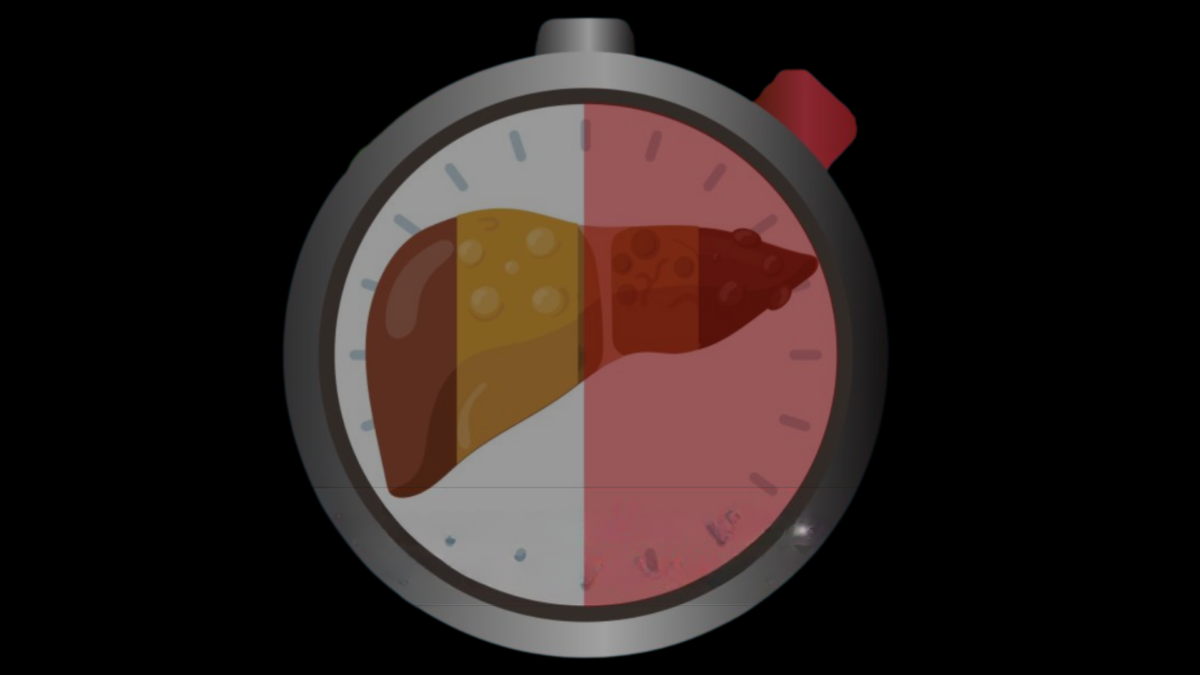
Liver disease typically advances through four key stages:

  1. Healthy Liver: Contains less than 5% fat, functioning optimally.

  2. Fatty Liver (Steatosis)Excess fat accumulates in liver cells, often without symptoms. This stage is reversible with lifestyle changes.

  3. FibrosisPersistent inflammation leads to scar tissue formation. Early fibrosis can be reversed if the underlying cause is addressed.

  4. CirrhosisExtensive scarring impairs liver function, often irreversibly. This stage can lead to severe complications, including liver failure.

Early detection is crucial, as the first three stages offer opportunities for reversal and prevention of progression.

Silent Nature of Liver Disease

Many individuals remain unaware of liver disease until it reaches advanced stages. Early symptoms, if present, are often vague, such as fatigue or mild abdominal discomfort. This lack of noticeable signs underscores the importance of proactive screening, especially for those with risk factors like obesity, diabetes, or high cholesterol.

Importance of Early Detection

Detecting liver disease in its early stages allows for interventions that can halt or even reverse damage. Lifestyle modifications, including a balanced diet, regular exercise, and weight management, have proven effective in improving liver health. In some cases, medical treatments may also be necessary.

LIVERFASt: A Non-Invasive Diagnostic Tool

At Fibronostics, we are dedicated to facilitating early detection of liver disease through innovative solutions. Our LIVERFASt test is a non-invasive, blood-based diagnostic tool that assesses liver health by evaluating key biomarkers. This test provides comprehensive insights into liver function, enabling healthcare professionals to identify issues before they progress. By detecting liver disease early, patients have a greater chance of reversing damage and maintaining optimal liver health.

How Do People Get MASLD and Can it be Treated

Metabolic dysfunction-associated steatotic liver disease (MASLD) is a condition where fat accumulates in the liver, mainly due to issues with metabolism. It was previously known as non-alcoholic fatty liver disease (NAFLD), but the name has changed to emphasize its link to metabolic health rather than alcohol consumption. MASLD is becoming more common because of the increasing rates of obesity, type 2 diabetes, high cholesterol, and high blood pressure. These conditions disrupt how the body processes fats and sugars, leading to fat buildup in the liver.

How Do People Develop MASLD?

People develop MASLD when excess fat accumulates in the liver. This happens due to metabolic conditions that affect the body’s ability to regulate fats and sugars properly. For instance, being overweight or obese increases the amount of fat that circulates in the bloodstream, which can then deposit in the liver. Insulin resistance, a common issue in people with type 2 diabetes, also contributes to fat accumulation. When cells become resistant to insulin, the body struggles to regulate blood sugar and fat levels, leading to more fat storage in the liver.

Other factors like genetics, poor diet, and a sedentary lifestyle can also increase the risk of developing MASLD. Even if someone does not have diabetes or is not obese, they can still get MASLD if they have high cholesterol or high blood pressure, which are also linked to metabolic dysfunction. The condition often develops silently, with no symptoms in its early stages, making it hard to detect without medical tests.

Can MASLD Be Treated?

Yes, MASLD can be treated, especially if caught early. Lifestyle changes are the most effective way to manage the condition. These include losing weight, eating a balanced diet rich in fruits, vegetables, and whole grains, and increasing physical activity. Weight loss can significantly reduce the amount of fat in the liver, improving liver function and slowing disease progression.

In addition to lifestyle changes, some medications may help treat MASLD, particularly for managing associated conditions like diabetes and high cholesterol. These medications can improve insulin sensitivity and lower blood lipid levels, which may reduce fat buildup in the liver. However, there is no specific drug approved solely for treating MASLD at this time.

The Role of Screening and Early Diagnosis

Early diagnosis of MASLD is crucial because it can prevent the condition from progressing to a more severe form known as metabolic dysfunction-associated steatohepatitis (MASH), where liver inflammation and scarring occur. Screening helps identify people at risk before significant liver damage develops. Non-invasive tests, like Fibronostics’ LIVERFASt, can be used to detect MASLD early. LIVERFASt is a blood-based test that measures markers associated with liver health, such as fat accumulation and inflammation. It provides valuable insights into the liver’s condition, helping healthcare providers make informed decisions about treatment.

Screening is particularly important for people with metabolic risk factors like obesity, diabetes, and high cholesterol. Catching MASLD early allows for lifestyle interventions that can reverse the disease or slow its progression. Fibronostics’ LIVERFASt can reduce the need for more invasive diagnostic procedures like liver biopsies, making early detection easier and more accessible.