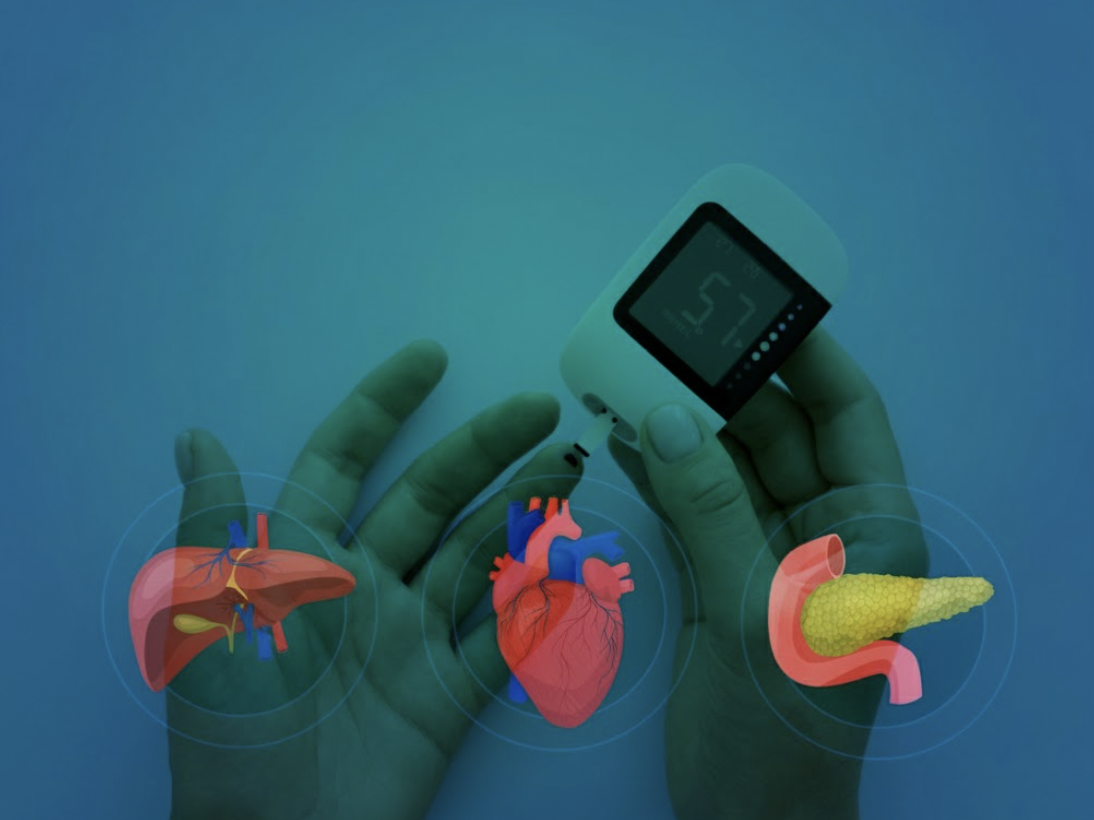
Turmeric & Liver Health: Curcumin’s Real Impact on Fatty Liver

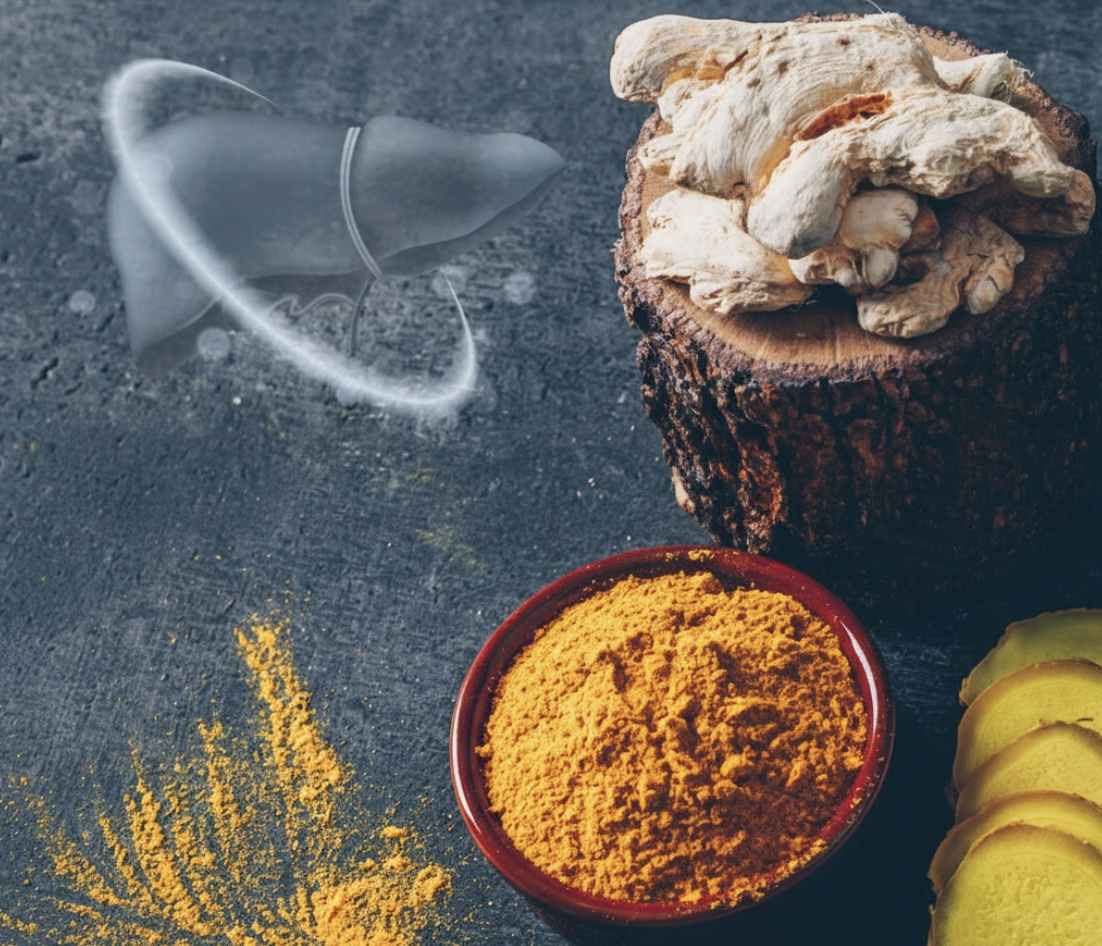
Turmeric has long held a place in traditional wellness, but curcumin, its active compound, is now capturing clinical interest. With NAFLD (now MASLD) affecting millions worldwide, many people are exploring complementary options that might support liver function. Curcumin stands out because its biological effects align with pathways involved in the development of fatty liver disease.
What Research Reveals
Recent randomized controlled trials show that curcumin can help reduce liver fat and improve enzyme markers such as ALT and AST, key indicators of liver stress. Meta-analyses echo these findings, reporting improvements in liver enzymes, BMI, and certain metabolic parameters. These benefits are believed to stem from curcumin’s anti-inflammatory and antioxidant properties, which may help counteract the progression of fatty liver.
Clinical Trials & Meta‑Analyses
-
A large meta-analysis of 15 randomized controlled trials (905 participants) found that curcumin significantly reduced ALT by ~4.1 units and AST by ~3.3 units compared to placebo.
-
Another systematic review of 14 RCTs found even larger reductions: ALT dropped by ~8.7 units and AST by ~6.4 units.
-
Beyond liver enzymes, curcumin has shown metabolic benefits: a meta-analysis reported significant decreases in LDL cholesterol, triglycerides, fasting blood sugar, HOMA‑IR (a measure of insulin resistance), and waist circumference.
-
In a systematic review of 16 RCTs, curcumin also increased the rate of ultrasound‑measured steatosis resolution (i.e., reduced liver fat) and showed a relative risk (RR) of ~3.96 for fat clearance vs. control.
-
A broad “umbrella meta‑analysis” (11 meta-analyses, nearly 5,500 participants) supports curcumin’s effects on lowering AST, ALT, insulin resistance (HOMA‑IR), BMI, and waist circumference.
Why Results Aren’t Always Consistent
Despite promising data, curcumin isn’t universally effective. Its impact varies significantly based on dose, duration, and formulation. Because curcumin is naturally poorly absorbed, many supplements use enhanced-absorption techniques. While effective, some high-potency formulations have been linked to rare cases of liver injury. This highlights the importance of using curcumin thoughtfully rather than assuming all supplements are risk-free.
The Bottom Line for Fatty Liver Care
Curcumin can be a supportive tool, but it’s not a standalone solution. Meaningful improvement in fatty liver still relies on nutrition, physical activity, weight management, and ongoing medical supervision. Curcumin fits best as an adjunct, an aid that complements, rather than replaces, structured care.
For those considering turmeric for liver health, the best approach is informed, balanced, and guided by the expertise of healthcare professionals.